


If you’re selling a Northridge home and you’re not sure whether past renovations were permitted, what are your options?
You have three main paths: legalize the work through retroactive permitting with LADBS, sell as-is with full disclosure and a price adjustment, or remove the unpermitted work entirely. The right choice depends on your timeline, budget, and how significant the modifications are.
Why Selling a Northridge Home With Unpermitted Work Matters Right Now
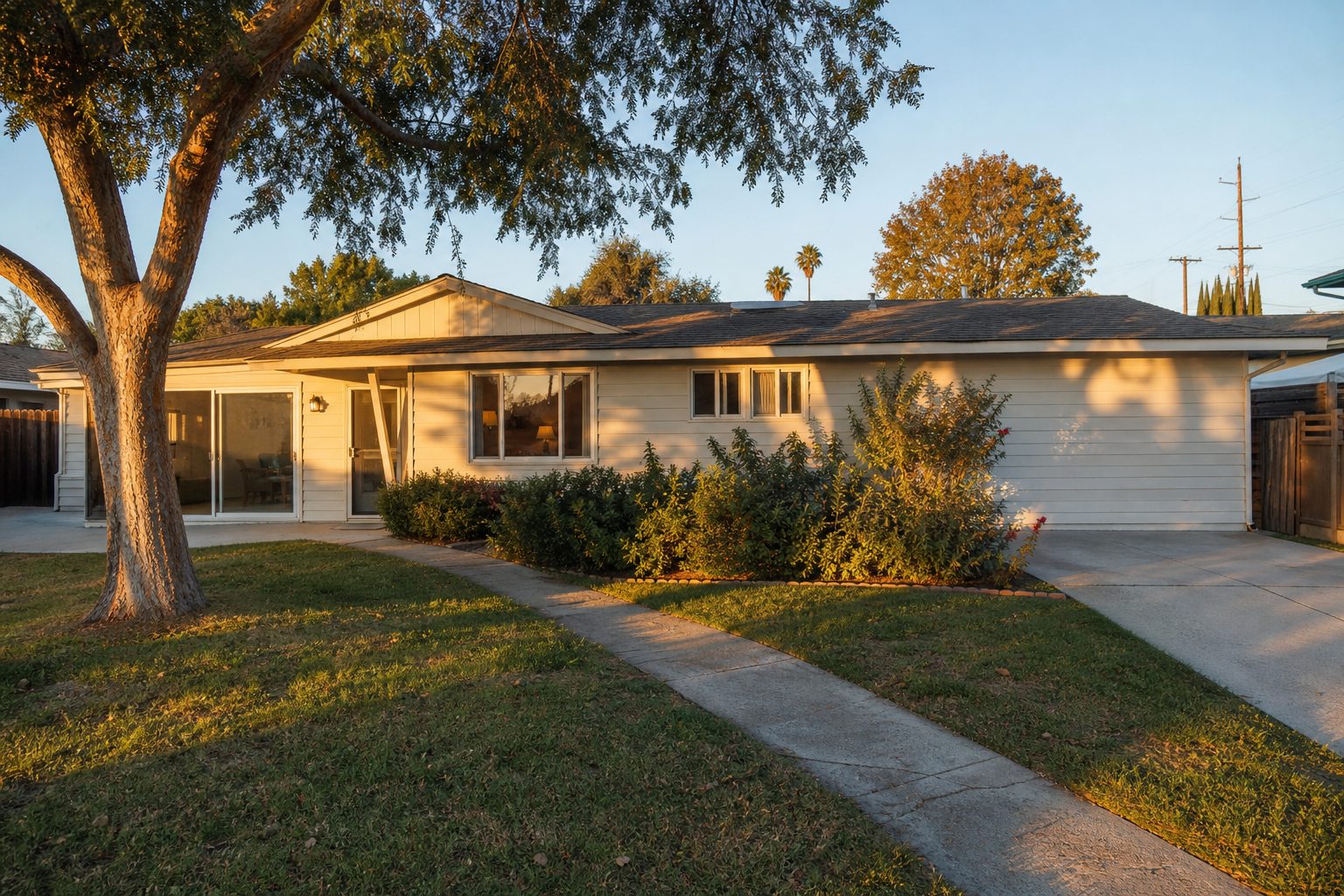
Northridge is a neighborhood of long-timers. Many of the ranch homes lining streets off Zelzah Avenue, Parthenia Street, and the Tampa Avenue corridor were built in the 1950s through 1970s, and they’ve been through decades of improvements, not all of them with building permits attached. Garage conversions, patio enclosures, extra bedrooms, kitchen expansions: this kind of work has happened across the entire west San Fernando Valley for generations.
Here’s why it matters more than ever in 2026. According to CRMLS data from September 2026, the median sold price in Northridge is $1,060,000, with homes trading at a median of 100.0% of their original asking price after 21 days on market. At that price point, even a modest percentage reduction due to unpermitted work can translate to tens of thousands of dollars off your bottom line.
And buyers today are paying closer attention. According to San Fernando Valley market data from April 2026, 56.8% of sellers closed below their original list price, and 52.9% of transactions included seller concessions. Buyers already have leverage. If unpermitted work surfaces during escrow, it gives them even more.
How to Check Whether Your Northridge Home Has Unpermitted Work
Before you list, you need to know what you’re working with. What I tell my clients is simple: don’t guess, verify.
Since Northridge falls within the City of Los Angeles, the Los Angeles Department of Building and Safety (LADBS) is the governing agency for building permits. You can look up your property’s permit history through the city’s ZIMAS system (Zone Information and Map Access System) by entering your property address. The “Cases/Permits” tab will show every permit on record.
What to Compare
Pull that permit history and then walk through your home. Compare what LADBS shows against the current floor plan and square footage. Ask yourself:
- Does the number of bedrooms match the original plans? An extra bedroom added off the back of the house is one of the most common unpermitted additions in Northridge.
- Is the garage still a garage? Converted garages are everywhere in the Valley, but most were never permitted as living space.
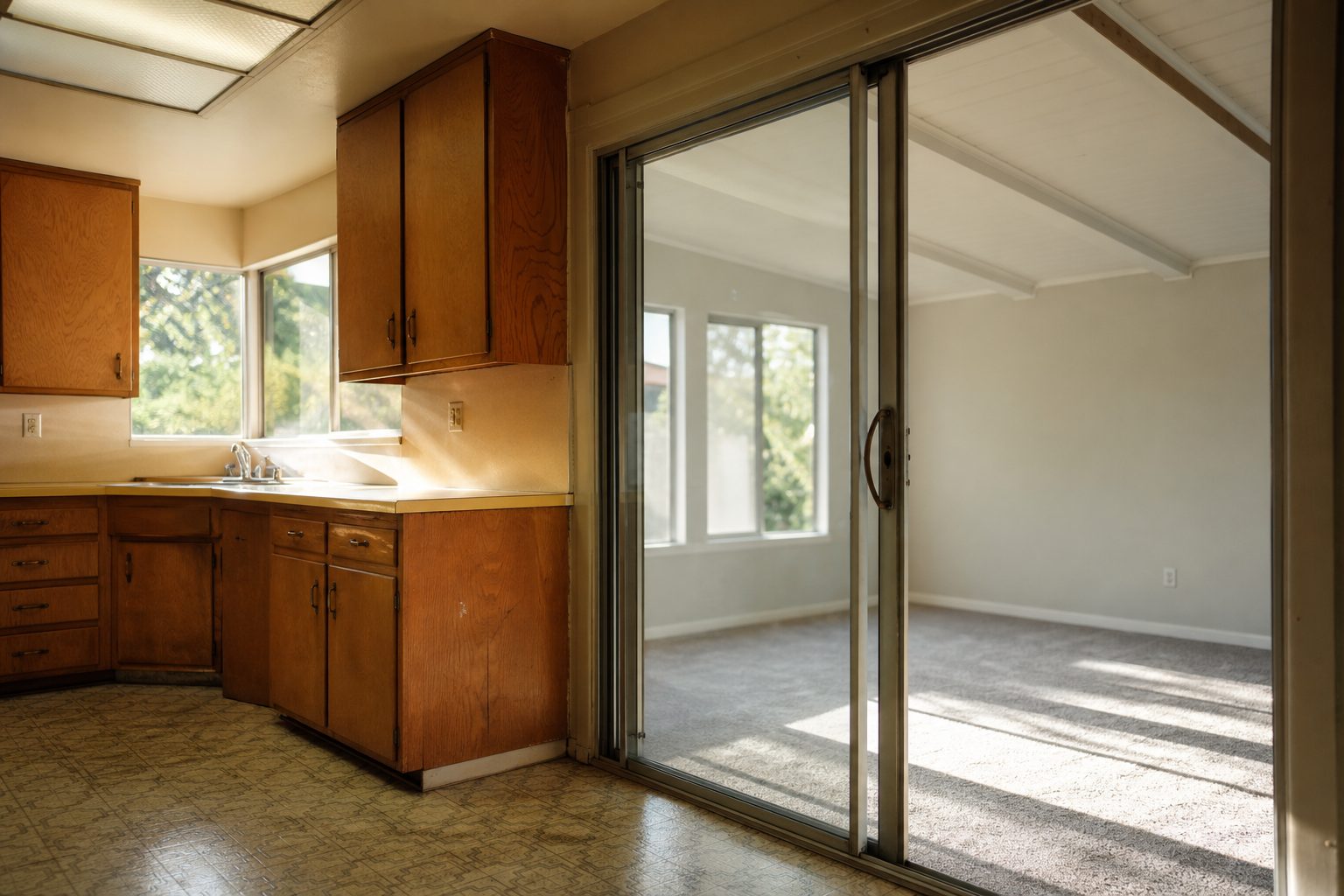
- Was the patio enclosed? A screened patio turned into a sunroom or office almost always needed a permit.
- Have the kitchen or bathrooms been moved or expanded? Any work involving plumbing relocation or electrical panel changes typically requires a permit.
If you purchased your home from a previous owner who did the work, you may not have all the answers. That’s okay. California law requires you to disclose what you know, not what you don’t. But doing the research now puts you in a much stronger position.
So what happens if you find a gap between what’s permitted and what’s actually there?
Your Three Options for Selling a Northridge Home With Unpermitted Work
Option 1: Legalize the Work Through Retroactive Permitting
The City of Los Angeles allows homeowners to apply for retroactive permits to legalize existing work. This is generally the best option for maximizing your home’s value because it removes the uncertainty for buyers and their lenders.
The process involves submitting plans, paying fees, and having the work inspected. If the work doesn’t meet current building code, you may need to make modifications before the city signs off. According to research on Los Angeles permitting, costs can range from roughly $1,000 to $5,000 for straightforward work up to $15,000 to $50,000 or more for major additions that require structural engineering and code upgrades. Timelines vary from three to twelve months or longer, depending on complexity.
This path is best if you have time before listing and the work is substantial enough to significantly affect your sale price.
Option 2: Sell As-Is With Full Disclosure
If your timeline is tight, selling as-is with clear, upfront disclosure is a legitimate strategy. You’ll want to price accordingly. Research on San Fernando Valley transactions suggests that minor unpermitted work (like a bathroom remodel without a permit) may reduce value by a small margin, while major unpermitted additions can create larger price adjustments.
What makes this work? Honesty. Problems found in escrow cost more than honesty upfront. When a buyer’s inspector flags unpermitted electrical or a converted garage mid-transaction, it creates renegotiation pressure, delays, and sometimes kills the deal entirely. When you disclose everything on the front end, you attract buyers who have already factored it into their offer.
Option 3: Remove the Unpermitted Work
In some cases, especially for minor modifications, the most cost-effective path is simply restoring the property to its original permitted condition. This requires its own permits for the demolition or restoration work, but it can be faster and cheaper than legalizing a poorly executed addition.
How Unpermitted Work Affects Appraisals and Buyer Financing in Northridge
This is where unpermitted additions really bite. Unpermitted square footage typically cannot be counted in the appraisal, which directly impacts buyer financing. If your home’s tax records show 1,400 square feet but the actual living area is 1,800 square feet because of an unpermitted addition, the appraiser will likely value the home based on 1,400 square feet.
For buyers using FHA or VA loans, this gets even more complicated. FHA appraisers are required to note unpermitted additions, and if the work affects health or safety, the loan may not be approved until the issue is resolved. VA loans follow similar guidelines. Conventional loans offer more flexibility, but appraisers still flag discrepancies.
What does that mean practically? It can shrink your buyer pool. Cash buyers face none of these restrictions because there’s no lender appraisal requirement. With 6 years of experience helping homeowners navigate exactly these situations across Northridge, Granada Hills, and the broader west Valley, I can tell you that understanding your buyer pool before you price is half the battle. If your home’s unpermitted work is significant enough to create financing hurdles, your pricing strategy and marketing approach need to account for that from day one.
California Disclosure Laws and What Northridge Sellers Must Know
California is a full disclosure state, and the rules are clear. Under California Civil Code Sections 1102 through 1102.17, sellers of residential property must complete a Transfer Disclosure Statement (TDS). Section II specifically asks whether you’re aware of any room additions, structural modifications, or alterations made without necessary permits.
You must answer truthfully. Failure to disclose known unpermitted work can lead to:
- Post-sale lawsuits from buyers who discover the issue
- Rescission of the sale in some cases
- Financial liability for the cost of bringing work up to code
- Potential liability for your listing agent as well
Here’s what matters: you’re disclosing what you *know*. If you bought the home and never touched the structure, and you have no knowledge of unpermitted modifications, that’s what you disclose. But if you enclosed that patio yourself in 2008 or added a bedroom without permits, you’re obligated to say so.
Important: This is not legal advice. Consult with a qualified real estate attorney for guidance specific to your situation.
The Northridge Market in 2026 and What It Means for Homes With Unpermitted Work
The current market is what industry professionals call a two-speed market. Turnkey, well-priced homes are still moving efficiently, while properties with complications are seeing longer days on market and deeper price adjustments. According to San Fernando Valley market analysis, well-prepared homes under $2 million in prime pockets sell fast, while homes needing work or explanation are dragging.
In Northridge specifically, 29% of sales closed above the original asking price as of September 2026, per CRMLS data. That tells you buyers are still competing for the right homes. But “the right homes” typically means move-in ready with clean paperwork.
Rated 5.0 out of 5 stars by past clients and ranked number 8 of over 150 agents at Park Regency Realty in 2025, I approach these situations strategically. When one of my clients is considering selling a property with unpermitted work, the first thing we do is pull the LADBS records, compare them to the actual floor plan, and build a plan based on the specific situation, not a one-size-fits-all approach.
As one past client shared: “Seann was a pleasure to work with. He is very professional, proactive, and knowledgeable. He is timely with communication. He got an offer for us on our first weekend at the open house he proposed to host.”
That kind of proactive, communication-driven approach is exactly what you need when selling a home with complexities like unpermitted work.
Frequently Asked Questions
Do I have to disclose unpermitted work when selling my Northridge home?
Yes. California Civil Code Sections 1102 through 1102.17 require you to complete a Transfer Disclosure Statement that specifically asks about additions or modifications made without permits. You must disclose what you know. Failing to do so exposes you to lawsuits, financial liability, and potentially rescission of the sale after closing.
How do I check if work on my Northridge home was permitted?
You can look up your property’s permit history through the City of Los Angeles ZIMAS system by entering your property address. The “Cases/Permits” tab shows all recorded permits. Compare that history against the home’s current layout. If online records are incomplete, you can request a full permit file directly from LADBS.
Can an appraiser count unpermitted square footage?
Typically, no. Unpermitted square footage usually cannot be counted in the appraisal, which directly impacts buyer financing and the home’s appraised value. If your home has 400 unpermitted square feet, the appraiser will likely value the home based only on the permitted area.
Will unpermitted work prevent a buyer from getting a mortgage?
It can. FHA and VA appraisers are required to note unpermitted additions, and if the work affects health or safety, the loan may not be approved until the issue is corrected. Conventional loans are more flexible but still subject to appraiser notes. Cash buyers face no appraisal requirements.
How much does it cost to retroactively permit work in Northridge?
Costs vary widely depending on the scope. Research on Los Angeles retroactive permitting indicates that simple work may cost roughly $1,000 to $5,000, while major additions requiring structural engineering and code upgrades can run $15,000 to $50,000 or more. Timeline is typically three to twelve months.
What kinds of unpermitted work are most common in Northridge?
Garage conversions, patio enclosures, room additions, bathroom additions, kitchen remodels with plumbing or electrical changes, and unpermitted accessory dwelling units are all common. Many of these modifications were done decades ago by previous owners.
Should I legalize unpermitted work before selling my Northridge home?
It depends on your timeline and the scope of the work. Legalizing the work generally maximizes your home’s value and broadens your buyer pool, but the process can take months. If you need to sell quickly, disclosing and pricing accordingly may be the better path.
What if the previous owner did the unpermitted work?
You’re only required to disclose what you know. If you purchased the home with existing modifications and were unaware they lacked permits, disclose that on your TDS. Doing the LADBS research before listing helps you get ahead of questions buyers will inevitably ask.
Can I sell my Northridge home as-is with unpermitted additions?
Yes. Selling as-is with full disclosure is a legitimate strategy. You’ll likely need to price the home to reflect the unpermitted work, and your buyer pool may skew toward cash buyers or investors who are comfortable with the risk and willing to handle permitting themselves.
Does unpermitted work affect Northridge home values significantly?
It depends on the scope. Minor unpermitted modifications may have a small impact, while major unpermitted additions can lead to more significant price adjustments. In a market where the median sold price in Northridge is $1,060,000, per Resideline Market Watch data covering the last six months, even a small percentage reduction represents meaningful dollars.
The Bottom Line
If you’re preparing to sell a Northridge home and you’re unsure whether past work was properly permitted, the worst thing you can do is ignore it. Pull your permit history from LADBS, compare it to your current floor plan, and build your selling strategy around what you find.
You have options: legalize the work, sell as-is with full disclosure, or remove the modifications. Each path has trade-offs involving time, cost, and the ultimate sale price. What I tell my clients is that problems discovered in escrow always cost more than honesty upfront.
With 31 five-star reviews, a GRI certification, UCLA Extension real estate training, and the discipline of a U.S. Army veteran, I help Northridge homeowners navigate exactly these kinds of situations with a proactive, strategic, communication-driven approach. If you’re thinking about selling and want to understand where your home stands, contact our team about your Northridge home sale at 818-960-3501 or visit seannhomes.com. Let’s build a plan that works for your specific situation.
*This article is for informational purposes only and does not constitute legal advice. Consult a qualified real estate attorney for guidance specific to your property and circumstances.*

Leave a Reply