



What exactly do I have to disclose when selling my home in Northridge, CA?
You must complete a Transfer Disclosure Statement, provide a Natural Hazard Disclosure report, certify water heater strapping and smoke/CO detectors, and disclose every known material defect, even if you sell “as-is.”
Why Northridge Seller Disclosures Matter Right Now
If you are selling a home in Northridge in 2026, disclosures are not a formality you can breeze through. They are your single biggest legal protection.
According to analysis of California Superior Court case filings from 2022 through 2025, three disclosure categories account for 71% of post-sale TDS litigation: unpermitted additions or alterations, prior water intrusion or mold remediation, and material defects in major systems that the seller knew about but marked “No” or left blank. Roughly 77% of real estate lawsuits nationally are linked to disclosure issues, per industry data.
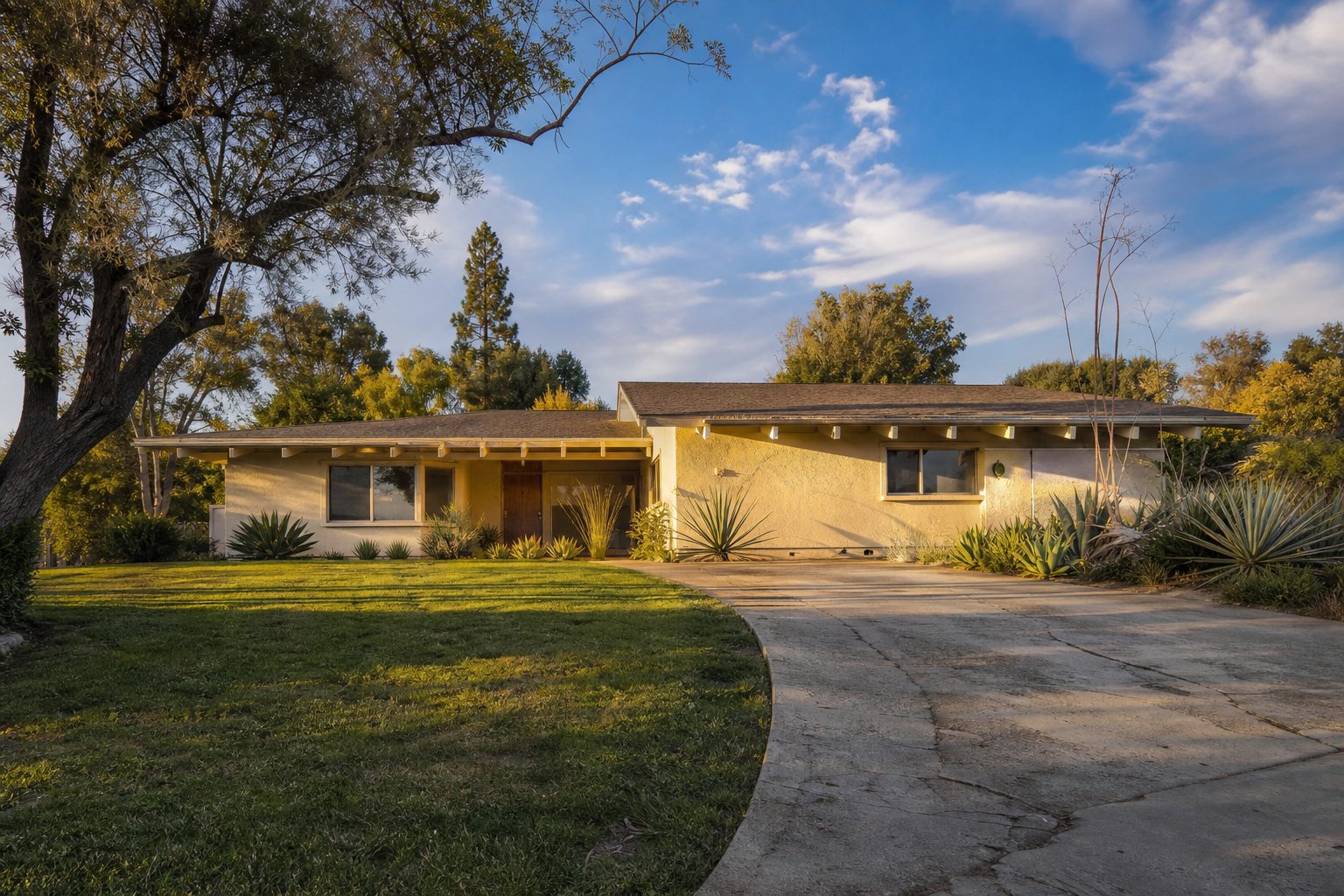
Here in Northridge, these risks are amplified. Many homes along Reseda Boulevard, Tampa Avenue, and the blocks south of Nordhoff Street are 1950s through 1970s ranch-style builds. They have had decades of ownership, and many have undergone modifications, from garage conversions to patio enclosures, that may or may not have been permitted. Buyers in this market are informed, and they ask specific questions, especially about foundations and earthquake retrofitting given the neighborhood’s direct connection to the 1994 earthquake.
With 6 years of experience listing homes across the San Fernando Valley and having closed 40 transactions, I can tell you that getting disclosures right up front saves sellers from costly surprises after escrow opens. My process starts with ordering the NHD report and scheduling pre-listing inspections before the property ever goes live.
The Transfer Disclosure Statement: Your Core Obligation in Northridge
The Transfer Disclosure Statement, or TDS, is the backbone of California’s residential disclosure regime under Civil Code §1102.6. Every seller of a one-to-four-unit residential property in Northridge, Granada Hills, Woodland Hills, or anywhere else in the state must complete and deliver this document.
What does it cover? A broad range of topics, from structural information like a leaky roof to whether any deaths occurred on the property in the last three years. You need to include information about all appliances, which ones are included in the sale, and whether they are operational. You also need to disclose room additions, damage, and neighborhood noise problems, according to the California Department of Real Estate’s official pamphlet on Disclosures in Real Property Transactions.
The C.A.R. Residential Purchase Agreement requires that all disclosures, including the TDS, be provided within seven days after acceptance. If you do not provide it at all, the buyer has the right to cancel the sale agreement up to the last moment of negotiations, per California statute. That means your entire sale, along with all the work you have put into it, could fall through.
What I tell my sellers is this: do not treat the TDS as a checkbox exercise. Read every line. Think carefully. A blank field or a careless “No” on something you actually know about is exactly the kind of mistake that leads to litigation.
Natural Hazard Disclosure: Why Northridge Sellers Face Extra Scrutiny
The Natural Hazard Disclosure report is where your Northridge address makes things especially specific. This document uses yes-or-no questions to determine whether your property sits within a special flood hazard area, an area with substantial forest fire risk, or an earthquake fault zone, according to California’s NHD requirements.
Here is why this matters for you specifically:
- Seismic Hazard Zones. The 1994 Northridge earthquake, magnitude 6.7 with its epicenter near Reseda Boulevard and Devonshire Street, is still part of this neighborhood’s DNA. Your NHD report will frequently flag a Seismic Hazard Zone designation and potentially a Special Studies Zone under the Alquist-Priolo Act.
- Flood Zones. Portions of Lake Balboa, Reseda, and low-lying Northridge blocks near the Los Angeles River channel can fall within FEMA-designated flood zones.
- Fire Hazard Severity Zones. While central Northridge is largely flat, if you are selling in neighboring Porter Ranch, Chatsworth, or the hillside portions of Woodland Hills south of Ventura Boulevard, your property may fall within a Very High Fire Hazard Severity Zone, triggering additional fire-risk disclosures.
Buyers consistently ask about soft-story conditions, cripple wall bracing, and foundation cracks. That is why I order the NHD report and arrange pre-listing inspections before we go live on the market, not after. A seller who walks into escrow already holding these answers is in a far stronger position than one scrambling to produce them under deadline pressure.
Additional Required Disclosures for Northridge Home Sellers
Beyond the TDS and NHD report, California law requires several more disclosures. Each one applies directly to the types of homes you will find throughout Northridge, Reseda, Encino, and the broader west San Fernando Valley.
Earthquake Safety Requirements
- Homeowner’s Guide to Earthquake Safety. If your home was built before 1960, you must provide this guide to the buyer. Many Northridge homes near Northridge Estates, Devonshire Highlands, and the blocks surrounding Northridge Park fall into this category.
- Water heater strapping certification. California law requires that water heaters be braced and strapped for earthquake safety, and you must certify compliance.
Safety Devices
- Smoke detector statement of compliance. Whenever a single-family dwelling sells, the seller must provide a written statement that the property complies with California’s smoke detector requirements.
- Carbon monoxide (CO) detectors. Functioning CO detectors are required, and you must confirm their presence.
Lead-Based Paint Disclosure
If your home was built before 1978, and many Northridge homes were, you must provide a lead-based paint disclosure. This is a federal requirement under the Residential Lead-Based Paint Hazard Reduction Act, and it applies across the Valley from Tarzana to Chatsworth.
Environmental Hazards
You must disclose environmental hazards you are aware of, including asbestos, radon gas, formaldehyde, fuel or chemical storage tanks, and contaminated soil or water, per the California DRE.
Megan’s Law Notice
A separate notice must let prospective buyers know they can obtain information regarding the location of registered sex offenders from local law enforcement and the state-operated database.
New 2026 Disclosure Rules That Apply to Your Northridge Sale
Effective January 1, 2026, two additional disclosure mandates took effect that you need to know about:
- Gas appliance and tobacco/nicotine disclosure. You must now disclose the presence of gas-powered appliances and whether tobacco or nicotine products have been used inside the home, per C&R Properties’ analysis of the 2026 rule changes.
- AI-altered listing photo disclosure. If your listing uses digitally altered imagery in MLS media, print, or promotional materials, a conspicuous notice must be displayed on or immediately adjacent to the image, along with a way for buyers to view the unedited original photograph.
These are new, and many sellers are not yet aware of them. With a 5.0-star rating and 55 client reviews, I stay ahead of regulatory changes like these so my clients do not get caught off guard.
The “As-Is” Myth and the Unpermitted Work Problem in Northridge
So you are planning to sell your Northridge home “as-is” and think that gets you off the hook for disclosures? It does not. California law is explicit on this point.
Selling “as-is” simply means you refuse to pay for repairs or upgrades before closing. It does not give you permission to hide defects or skip mandatory paperwork. You must still complete the TDS accurately and disclose all known material defects. The “as-is” clause protects you from repair demands, but it does not protect you from liability for undisclosed defects discovered after close, according to California Civil Code §1102 as interpreted by legal analysts.
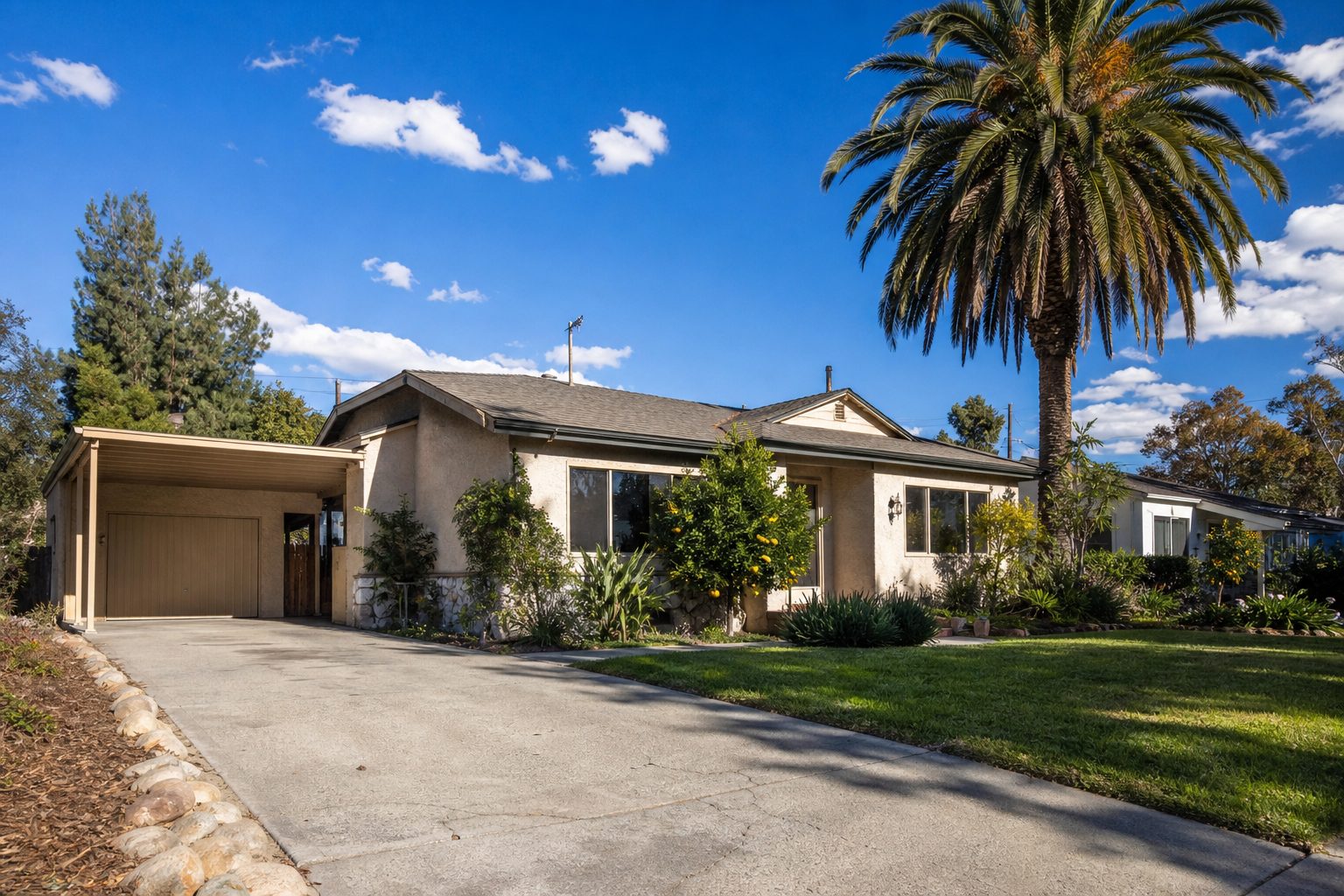
The biggest trap I see in this market is unpermitted work. Unpermitted additions are the single largest source of TDS disputes in 2026 across California. In Northridge, where ranch homes on generous lots have been owned by multiple families over five or six decades, it is common to find garage conversions, room additions, or patio enclosures that were done without permits. If you know about unpermitted work, you must disclose it. Period.
What You Do NOT Have to Disclose in Northridge
Not everything is fair game. California law carves out several topics you are not required to report:
- Deaths on the property that occurred more than three years ago, unless the buyer directly asks
- Paranormal activity
- HIV/AIDS status of former or current occupants
- General neighborhood crime statistics
- A prior owner’s personal history, such as divorce or financial hardship
Knowing where the line is can ease your anxiety about the process. You are obligated to be honest about the physical condition of the property and known hazards, not every piece of history that ever touched the address.
Frequently Asked Questions About Northridge Seller Disclosures
Do I need a lawyer to complete my disclosures in Northridge?
While a real estate agent can guide you through the standard forms, complex situations like boundary disputes, unpermitted work, or known environmental contamination warrant consultation with a licensed real estate attorney. This blog is informational and is not legal advice.
What is the deadline for delivering the TDS to a Northridge buyer?
The C.A.R. Residential Purchase Agreement requires all disclosures, including the TDS, to be delivered within seven days after acceptance. Missing this deadline gives the buyer leverage to delay or cancel.
Does an “as-is” sale in Northridge eliminate my disclosure obligations?
No. Selling “as-is” means you will not make repairs, but you must still complete the TDS and disclose every known material defect. California law strictly rejects the idea that “as-is” language waives disclosure responsibilities.
Are Northridge homes in an earthquake fault zone?
Many are. The NHD report for properties near the 1994 earthquake epicenter at Reseda Boulevard and Devonshire frequently flags Seismic Hazard Zone designations and potentially Special Studies Zones under the Alquist-Priolo Act.
Do I have to disclose a garage conversion that was done without permits?
Yes. If you know about unpermitted work, you are legally required to disclose it on the TDS. Unpermitted additions are the leading source of TDS disputes statewide in 2026.
What happens if I skip the Natural Hazard Disclosure report?
You expose yourself to significant legal liability. The NHD report covers earthquake fault zones, seismic hazard zones, flood zones, and fire hazard severity zones, all of which are relevant in the San Fernando Valley.
Is lead paint disclosure required for my 1960s Northridge ranch home?
Yes. Federal law requires a lead-based paint disclosure for any home built before 1978. Most homes throughout Northridge, Reseda, and Lake Balboa were built in this era.
What are the new 2026 disclosure requirements for California sellers?
Effective January 1, 2026, you must disclose gas-powered appliances and indoor tobacco or nicotine use. You must also flag any AI-altered listing photos and provide access to the original, unedited images.
Do I have to disclose a death that occurred in my Northridge home?
Only if it occurred within the last three years. Deaths that happened more than three years ago do not require disclosure unless the buyer asks directly, per California statute.
Can a buyer sue me after closing if I missed a disclosure?
Yes. Around 28% of buyers nationally report discovering hidden issues after closing, and one-third blame the seller for not being upfront. Proper, thorough disclosure before close is your best defense against post-sale litigation.
The Bottom Line
Selling your Northridge home in 2026 means navigating a disclosure process that is detailed, legally significant, and specific to this neighborhood’s history. From the TDS and NHD report to water heater strapping, smoke and CO detectors, and the new gas appliance and tobacco rules, every form exists to protect both you and the buyer.
The best strategy is to get ahead of it. Order the NHD report, schedule pre-listing inspections, and complete every disclosure form thoroughly before your listing goes live.
If you are preparing to sell your home in Northridge or anywhere across the west San Fernando Valley, from Porter Ranch to Encino, I am here to walk you through every step. As a GRI-certified REALTOR® with a 5.0-star rating across 55 reviews, I take a proactive, detail-first approach to listing preparation. Reach out to me, Seann Brown at Park Regency Realty, at 818-960-3501 or visit seannhomes.com. Let’s get your disclosures handled the right way, before they become a problem.
*This blog is for informational purposes only and does not constitute legal advice. Always consult a licensed real estate attorney for guidance specific to your situation.*

Leave a Reply