

Do I have to disclose an unpermitted garage conversion and back unit when selling my North Hills home near Noble Avenue Elementary in 2027?
Yes, California law requires you to disclose every unpermitted improvement you know about, including your garage conversion and back unit, on the Transfer Disclosure Statement before any buyer signs a contract.
There is no workaround, no loophole, and no “as-is” exception that removes this obligation. But disclosure does not have to kill your sale. With the right strategy, it can actually protect you and still attract serious buyers. I’m Seann Brown with Park Regency Realty in Northridge, and I’ve sold homes in North Hills. Let me walk you through what you’re actually facing, what your options are, and how to position your home for a successful close in early 2027.
Why This Matters Right Now in North Hills
If you own a 1950s home on or near Noble Ave or Lemona Ave, between Roscoe Blvd and Parthenia St, you already know that converted garages and back units are everywhere in this pocket. These deep lots, many running 7,000 to 10,000 square feet, practically invited additions. Families built what they needed for aging parents, adult children, or extra income, and most of that work was done without permits.
Here is what has changed: the market is more selective now. Per Redfin data for the three months ending September 2026, the median sale price in 91343 was $832,255, down 5.3% year over year, and homes are sitting a median of 52 days on market compared to 40 days a year ago. When buyers have more time and more choices, anything that creates uncertainty during escrow, like undisclosed permit issues, is the fastest way to lose a deal. That is exactly why getting your disclosure strategy right before you list is the single most important decision you will make.
What California Law Actually Requires You to Disclose in North Hills
Let me be direct about this. Under California Civil Code Section 1102, every seller of a one-to-four-unit residential property must complete a Transfer Disclosure Statement, commonly called the TDS. The TDS form specifically asks whether you are aware of “any room additions, structural modifications, or other alterations or repairs made without necessary permits.”
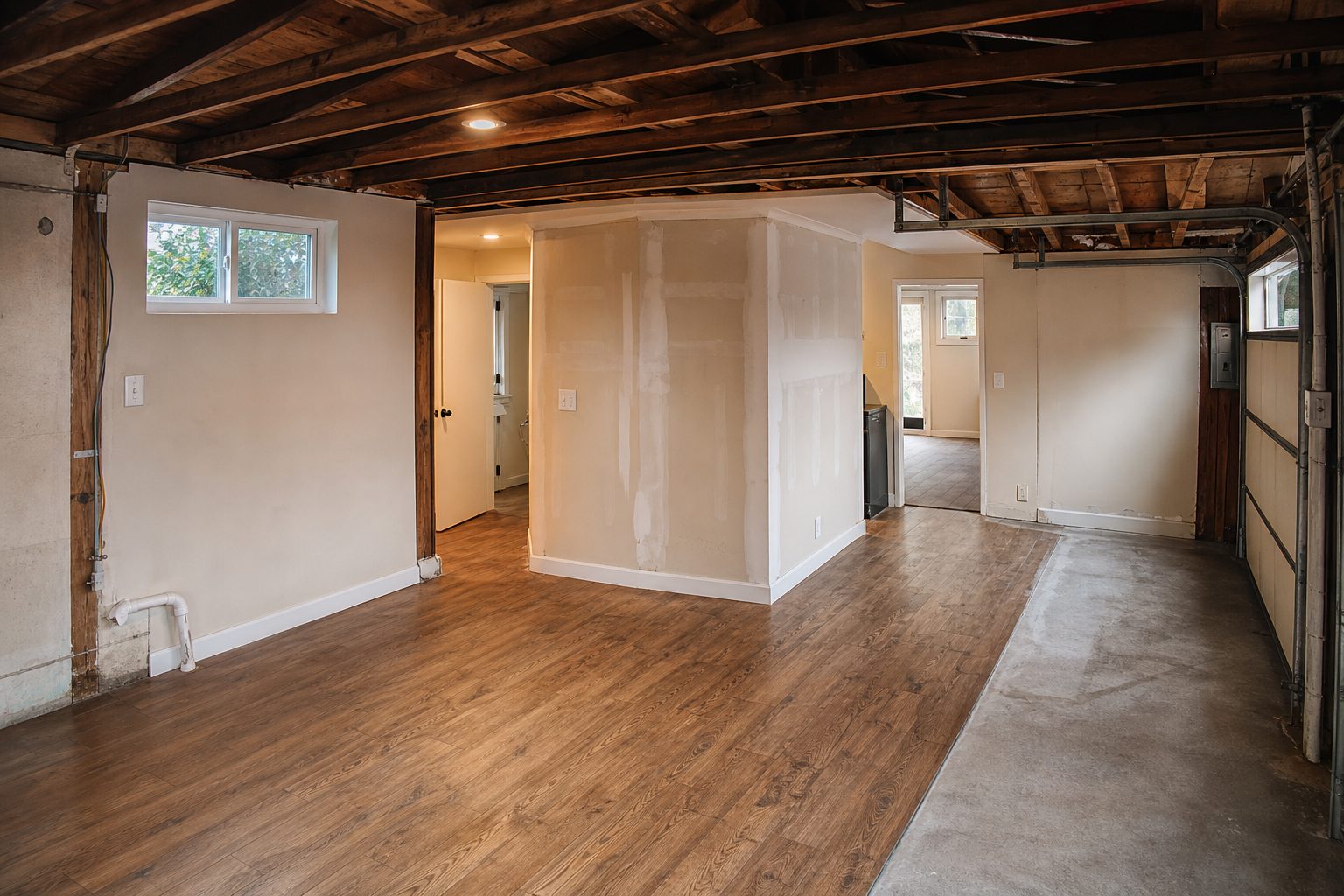
If your garage has been converted to living space and a back unit was added without permits, you check that box and explain. Even though a previous owner did the work, once you know about it, that knowledge carries forward to your sale.
What About Selling “As-Is” in North Hills?
Selling “as-is” changes who pays for repairs. It does not eliminate your duty to disclose. This is a common misunderstanding I address with sellers regularly. The California Civil Code contains no as-is exemption for disclosure. If you know about the unpermitted work, you disclose it, period.
Why Hiding It Always Backfires
Permit history is public record in Los Angeles. Buyers’ agents routinely pull records from the LADBS portal. Home inspectors flag unpermitted structures. And here is the part that keeps sellers up at night: disclosure liability does not end at closing. Buyers discover unpermitted work months or even years later when they pull their own permits for a remodel, and their contractor compares the house to city records. If your disclosure file shows you knew and stayed quiet, you face potential fraud claims, the full cost of correction, attorney fees, and in serious cases, punitive damages.
What I tell my clients is this: specific, honest disclosure language protects you far better than vague hedging. Writing “some work may not have been permitted” is weaker protection than clearly stating that the garage was converted to living space approximately in a certain year, that no permit is on record with the City of Los Angeles, and that the buyer should investigate and assume responsibility for any permit resolution.
The Three Paths Forward for Your North Hills Home Before Listing
You have three real options, and the right choice depends on your timeline, your budget, and what the numbers look like for your specific property.
Path 1: Legalize Before Listing Using AB 2533
This could be your highest-return move. On July 28, 2026, LADBS published Information Bulletin P/BC 2026-161 explaining how owners can permit an unpermitted ADU or junior ADU built before January 1, 2020 under AB 2533, codified as Government Code Section 66311.7. The program offers streamlined plan submittals, optional third-party inspections, and impact fee exemptions, as long as the unit meets health and safety standards.
If your garage conversion and back unit both qualify (built before 2020, meet the ADU or JADU definition), this amnesty path typically costs between $15,000 and $30,000 total, per industry estimates from LA construction compliance professionals. A permitted ADU can add $150,000 or more to appraised value and helps buyers qualify for financing by counting rental income toward their debt-to-income ratio, according to ADU valuation research.
The catch? LADBS processing times currently range from 3 to 12 months for retroactive permits, per department estimates. If you want to list in early 2027, starting the process now is not optional. It is urgent.
Path 2: Sell As-Is with Full Disclosure and Honest Pricing
If legalization costs more than the value it returns, or if your timeline is too tight, you sell as-is with a thorough disclosure package and price the permit status into your asking price deliberately. Appraisers typically discount unpermitted square footage 15 to 25 percent versus permitted space, according to LA appraisal industry guidance. Your buyer pool narrows because FHA and VA appraisals are stricter and may require unpermitted work to be brought up to code before loan approval.
But here is where strategy matters. In North Hills, 37.9% of homes still sold above list in the three months ending September 2026, per Redfin data, and the sale-to-list ratio was 99.4%. Well-priced, well-presented homes are still drawing competition. The key is pricing honestly from day one so you do not end up sitting, taking a price drop, and renegotiating from a weaker position after the appraisal comes back.
Path 3: Sell to a Cash Buyer
Cash buyer companies typically offer 30 to 40 percent below fair market value for properties with unpermitted work, per industry estimates. The MLS route almost always yields significantly more, even after commissions. I only recommend this path when a seller has zero flexibility on timeline and cannot list on the open market for other reasons.
How Unpermitted Work Affects Your Appraisal and Buyer Pool in North Hills
This is where escrow deals fall apart, so let me be specific. For an unpermitted unit, the square footage typically does not count in the appraisal. The appraiser notes the structure exists but cannot assign it full living-area value. That creates a gap between what you think your home is worth and what the bank will lend against.
The comparable that matters most in your pocket right now is 9419 Haskell Ave. That property had a permitted rec room with ADU potential. It listed at $875,000 and sold for $886,000 in June 2026 with 5 offers, per MLS records. That is what permitted square footage commands in your neighborhood: multiple offers and over-asking results. Contrast that with what happens when unpermitted work is disclosed without a legalization plan: your buyer pool shrinks to primarily cash buyers or conventional borrowers whose lenders are willing to proceed with a written acknowledgment of the condition.
What I recommend before listing is pulling your full permit history from LADBS so there are no surprises in escrow. You want to know exactly what the city has on record and be prepared to present that information clearly in your disclosure package.
Why Your Specific North Hills Pocket Has an Advantage
Here is the part most sellers in this corridor do not realize: your neighborhood is attracting serious investment attention. A lot at 9537 Lemona Ave, just north of this pocket, is planned for 10 townhomes under SB 684, as reported by Hoodline in October 2026. Sophisticated developers are underwriting density plays on the exact streets where you live. That is a signal of long-term confidence in the corridor.
CSUN is approximately 10 to 12 minutes west, which creates consistent rental demand. Buyers evaluating your property with a legal ADU will see that income potential. With 51.82% of occupied housing in 91343 occupied by renters, per Census-derived data, the rental market is real and active.
Noble Avenue Elementary at 8329 Noble Ave sits right in the heart of this pocket, and buyers with families will be comparing your block to nearby options. The more transparent and well-positioned your listing is, the more confidence those buyers have to make a strong offer.
Frequently Asked Questions
Am I legally required to disclose unpermitted work to buyers in North Hills?
Yes. Under California Civil Code Section 1102, you must disclose any room additions, structural modifications, or alterations made without permits on your Transfer Disclosure Statement. This applies even if a previous owner did the work. Once you know about it, the obligation is yours. There is no exemption for selling “as-is.”
Can I sell my North Hills home as-is with unpermitted improvements?
You can sell as-is, but you still must disclose the unpermitted work. “As-is” determines who pays for repairs; it does not waive your disclosure obligations. Price your home to reflect the permit status from the start so you avoid renegotiations after the appraisal or inspection.
What is AB 2533 and does it apply to my garage conversion in North Hills?
AB 2533, codified as Government Code Section 66311.7, took effect January 1, 2025 and provides an amnesty path for unpermitted ADUs and junior ADUs built before January 1, 2020. LADBS published Information Bulletin P/BC 2026-161 on July 28, 2026 with specific instructions. If your garage conversion qualifies, this is likely your best option.
How much does it cost to legalize an unpermitted ADU in Los Angeles?
Through the AB 2533 amnesty path, total costs typically range from $15,000 to $30,000, per industry estimates from LA construction compliance professionals. Full legalization without the amnesty program can range from $25,000 to $75,000 or more, depending on the scope of work required.
How long does LADBS take to process retroactive permits?
LADBS processing times currently range from 3 to 12 months for retroactive permits, depending on plan check complexity, required inspections, and whether corrections are needed. If you want to sell in early 2027, starting the process immediately gives you the best chance of completing it before listing.
Will unpermitted work lower my North Hills home’s appraised value?
Appraisers typically discount unpermitted square footage 15 to 25 percent versus permitted space, per LA appraisal industry guidance. The unpermitted area often is not counted as living space at all, which means the appraised value may come in below your expectations and below your list price.
Can buyers get financing on a North Hills home with unpermitted work?
FHA and VA appraisals are stricter and may require unpermitted work to be brought up to code before the loan is approved. Conventional lenders vary. Some will proceed with a written disclosure; others will not fund until the issue is resolved. Cash buyers face no lender restrictions but typically offer less.
What happens if I do not disclose unpermitted work and the buyer finds out later?
Under California law, concealing known unpermitted work constitutes fraud. Buyers who discover it after closing can pursue the full cost of correction, attorney fees, and potentially punitive damages. Permit history is public record and easily accessible through the LADBS portal.
Does legalizing my ADU before selling increase my home’s value in North Hills?
A permitted ADU can add $150,000 or more to appraised value, according to ADU valuation research. It also helps buyers qualify for financing by counting rental income toward their debt-to-income ratio, which expands your buyer pool significantly compared to selling with unpermitted space.
How should I write the disclosure for unpermitted work on my North Hills home?
Be specific rather than vague. State what was converted, an approximate timeframe, that no permit is on record with the City of Los Angeles, and that the buyer should investigate and assume responsibility for permit resolution. Vague language like “some work may not have been permitted” offers weaker legal protection.
The Bottom Line
You must disclose the unpermitted garage conversion and back unit. That is not a gray area. But disclosure, handled correctly, does not have to scare off buyers or blow up your escrow. What I tell my clients is that the choice you make right now, between legalizing under AB 2533 or pricing honestly for an as-is sale, will determine whether you leave tens of thousands of dollars on the table or position your home to compete with the best listings in North Hills.
With 6 years of experience, 40 closed transactions, over 55 five star reviews across Google, Zillow and Yelp, and past sales in North Hills, I can help you evaluate which path makes the most sense for your specific situation. As one past seller wrote: “He helped me position the property strategically, coordinated everything seamlessly, and kept me informed every step of the way. What stood out most was his ability to navigate the process smoothly and negotiate effectively, ultimately helping me achieve a great result with minimal stress.”
Every seller I work with gets my 18 point, 4 phase listing plan in writing. My MLS listings average 17 days on market at 101% of list price. If you are thinking about selling your North Hills home in early 2027 and you need a clear plan for handling your permit situation, call or text me at 818.960.3501. The sooner you start, the more options you have.
*Seann Brown, REALTOR®, Park Regency Realty, 9275 Corbin Ave, Northridge, CA 91324. DRE #02093443. This blog provides general information and is not legal advice. Consult a licensed attorney for legal questions specific to your situation.*

Leave a Reply