


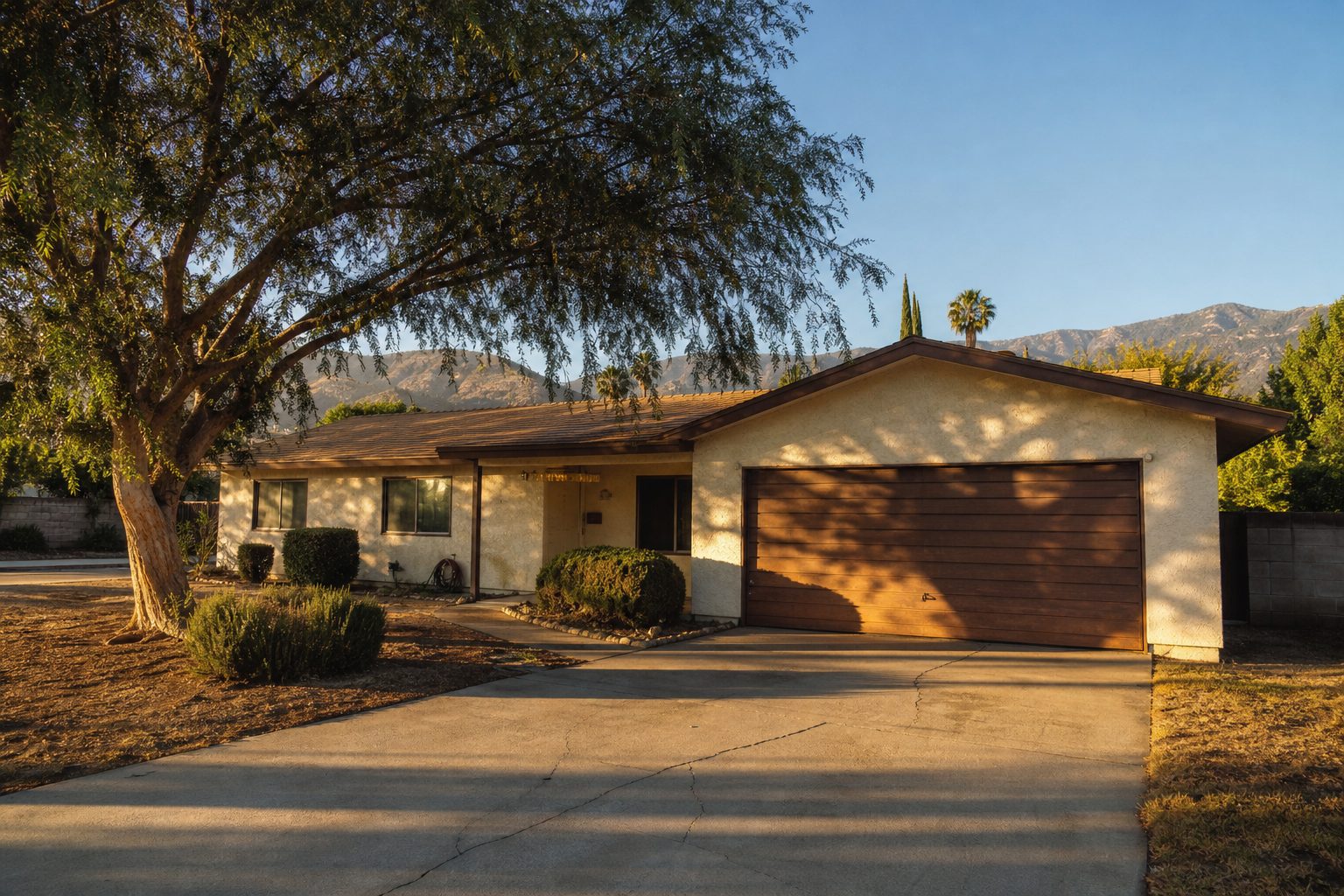
If your North Hills home between Roscoe Blvd and Parthenia St has gained over $700,000 since the 1980s, how much capital gains tax will you actually owe as a single filer when you sell in 2026?
You will likely owe federal and California tax on the portion of your gain that exceeds the $250,000 single filer exclusion, and the amount depends on your cost basis, documented improvements, selling costs, and other income in the year of sale. The exact number requires a CPA, but this guide walks you through the framework so you can plan with confidence.
Why This Matters for North Hills 91343 Homeowners Right Now
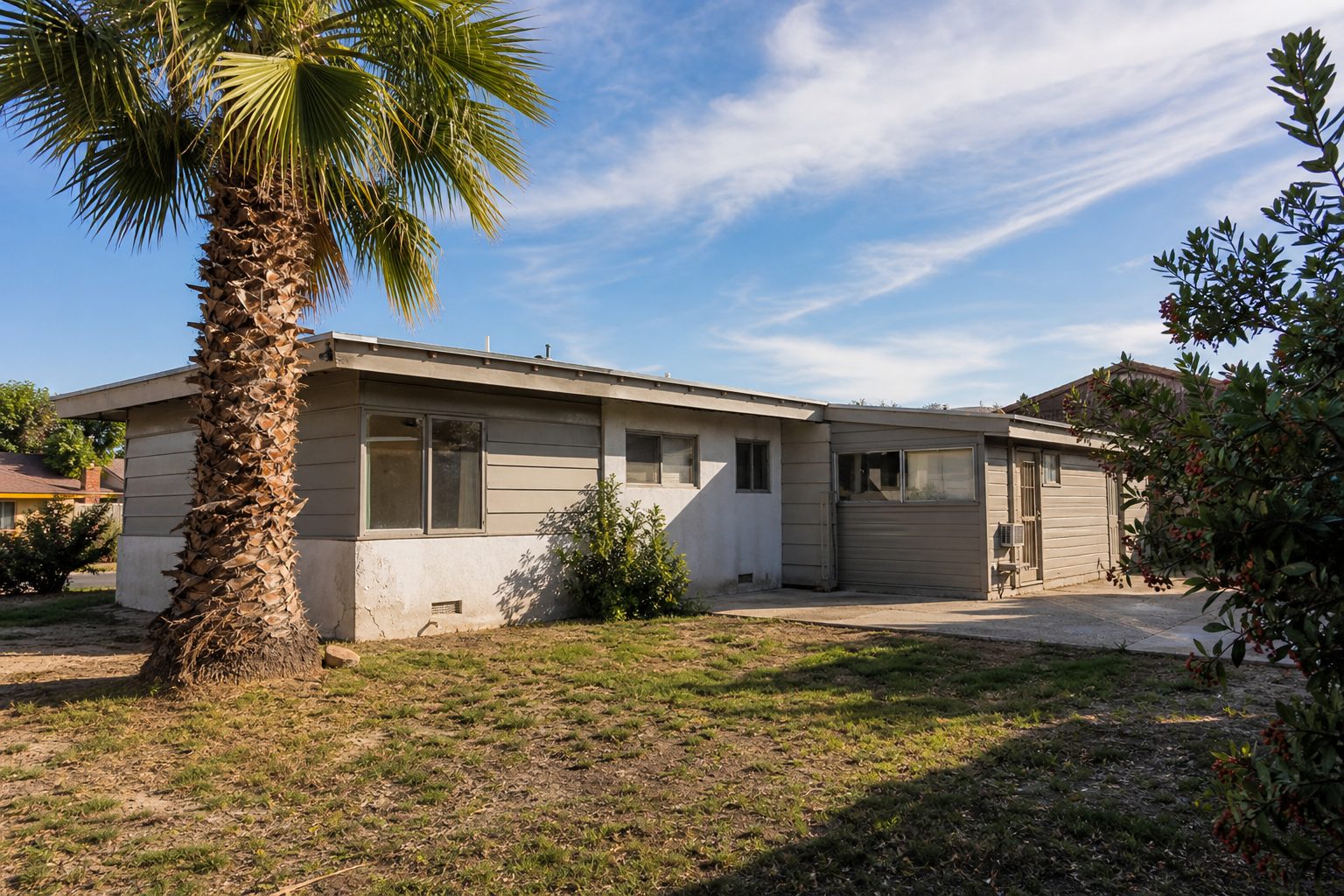
If you bought your home in the blocks between Roscoe Blvd and Parthenia St, from Hayvenhurst Ave west to Balboa Blvd, sometime in the 1980s, you are sitting on decades of appreciation. The median sale price in ZIP 91343 was $832,255 for the three months ending September 2026, per Redfin. If you paid a fraction of that in the 1980s, your gain may be well above the IRS single filer exclusion.
Here is the problem: the $250,000 exclusion under IRC Section 121 dates to the Taxpayer Relief Act of 1997 and is not indexed for inflation. So if you are planning to sell and move near family in Las Vegas, you need to understand what you actually owe before you choose a list date, not after.
This is not tax or legal advice. You should consult a CPA or tax attorney for your specific situation. What I can do for every seller I work with is provide a detailed seller net sheet so you can bring real estimated proceeds to that CPA meeting before your home ever hits the market.
How the Section 121 Exclusion Works for a North Hills Single Filer
Under Section 121 of the Internal Revenue Code, you can exclude up to $250,000 of gain from federal income tax on the sale of your primary residence if you are a single filer, per IRS Publication 523. Married couples filing jointly can exclude up to $500,000. To qualify, you need to pass three tests:
- Ownership test: You owned the home for at least 2 of the 5 years before the sale
- Use test: You lived in it as your primary residence for at least 2 of those 5 years
- Frequency test: You have not used this exclusion on another home sale in the prior 2 years
If you have owned and lived in your North Hills home since the 1980s, you pass all three tests easily. The exclusion amount for 2026 remains $250,000 for single filers, per the IRS. It has not been adjusted for inflation since it was established.
So what does that actually mean for your wallet? It means that the first $250,000 of your gain is tax free. Everything above that is taxable. And for a home in this pocket near Parthenia Academy of Arts and Technology at 16825 Napa St, “everything above that” can be a significant number for a long time owner.
Breaking Down the North Hills Capital Gains Tax Calculation Step by Step
Here is the basic framework. Your actual figures will depend on your purchase price, documented improvements, and sale price.
Step 1: Determine Your Cost Basis
Your cost basis starts with what you originally paid for the home. Then you add every documented capital improvement you have made over the decades. According to IRS Publication 523, qualifying improvements include roof replacements, HVAC system replacements, kitchen and bathroom remodels, room additions, new windows, plumbing and electrical upgrades, hardscaping, pool installations, and solar panels.
Over 35 to 45 years, these add up, and every documented dollar of improvements reduces your gain. That is why I tell every seller to start gathering permits, receipts, and contractor records well before we discuss listing dates. If you cannot find original receipts, search the LADBS permit records for your address and review your Los Angeles County Assessor records.
Step 2: Subtract Selling Costs
Real estate commissions, escrow fees, title insurance, transfer taxes, staging, and any repair credits negotiated during the sale all reduce your net proceeds and therefore reduce your taxable gain.
Step 3: Calculate the Taxable Gain
Here is the simplified formula:
- Net Sale Proceeds (sale price minus selling costs) minus Cost Basis (purchase price plus improvements) equals Realized Gain
- Realized Gain minus $250,000 Section 121 Exclusion equals Taxable Long Term Capital Gain
Step 4: Apply the 2026 Federal Tax Rates
The 2026 long term capital gains rates for single filers, per IRS Revenue Procedure 2025 32, are:
- 0% on taxable income up to $49,450
- 15% on taxable income from $49,451 to $545,500
- 20% on taxable income above $545,500
If you are a retiree with modest other income, say around $30,000 from Social Security and a small pension, a significant portion of your capital gain could land in the 15% bracket. But you also need to account for two additional taxes.
The Two Extra Taxes North Hills Sellers Often Overlook
The 3.8% Net Investment Income Tax (NIIT)
Per IRC Section 1411, the NIIT applies a 3.8% surtax on the lesser of your net investment income or the amount by which your modified adjusted gross income exceeds $200,000 for single filers. This threshold has never been adjusted for inflation. The gain excluded under Section 121 is not subject to NIIT, but the taxable portion above the $250,000 exclusion is included.
For a retiree with modest other income, a large taxable gain can still push MAGI above $200,000 in the year of sale.
California State Capital Gains Tax
California taxes capital gains as ordinary income, with rates up to 13.3%, per the Franchise Tax Board. California follows the home sale exclusion, but there is no lower state rate for the gain above it, so ask your CPA to estimate the state tax too.
Add the federal tax, any NIIT, and California tax together for the full picture, then talk with your CPA about legal ways to reduce it.
Strategies to Reduce Your Capital Gains Tax Before Listing in North Hills
Here is the idea: preparation done months before listing is worth more than negotiation done after escrow opens. Here are the strategies to discuss with your CPA.
- Document every capital improvement. Search LADBS permit records and dig through old receipts. Every documented improvement can lower your gain.
- Time your income carefully. If you can minimize other taxable income in the year of sale, more of your gain falls into the 0% bracket. Talk with your CPA about IRA distribution timing.
- Consider an installment sale under Section 453. Spreading the gain over multiple tax years could keep your income in lower brackets each year, though this comes with trade offs your tax professional can evaluate.
- Understand your move to Nevada. Nevada has no state income tax, but California generally taxes gain on California real estate even after you move, so ask your CPA before assuming a move changes the state tax.
I have been licensed since 2020, have closed 40 transactions, and completed GRI and UCLA real estate training. Every seller I work with gets my 18 point 4 phase listing plan in writing and a seller net sheet showing estimated proceeds, so you walk into your CPA meeting with real numbers.
What Your North Hills Home Is Worth in Today’s Market
Your tax planning starts with an accurate sale price estimate. Here is what the current 91343 data shows, per Redfin for the three months ending September 2026:
- Median sale price: $832,255, down 5.3% year over year
- Median days on market: 52 days, versus 40 days last year
- Sale to list ratio: 99.4%
- Homes with price drops: 31.4%
Mortgage rates also shape buyer demand. Freddie Mac’s Primary Mortgage Market Survey reported the 30 year fixed rate at 7.24% on October 29, 2026, up from 6.17% a year earlier. That rate environment means buyers are price sensitive, and pricing at market value from the start matters.
When I listed 9419 Haskell Ave in North Hills at $875,000, a 4 bed, 2 bath home with owned solar and a permitted rec room with ADU potential, it sold for $886,000 in June 2026 after sitting unsold for a full year with another agent. Accurate pricing from current comparable sales is not just a marketing strategy. It directly impacts your net proceeds and, by extension, your tax calculation.
As one North Hills seller wrote on Google: “Sean Brown was very professional and took many extra steps to ensure a quick, smooth sale in a situation that was very complicated. Because of his attention to detail this was a very easy process for us, the seller. I would highly recommend him.”
Frequently Asked Questions
Do I qualify for the $250,000 home sale exclusion in North Hills?
If you have owned and lived in your North Hills home as your primary residence for at least 2 of the past 5 years and have not used this exclusion on another sale within the prior 2 years, you qualify. An owner since the 1980s easily meets these requirements, per IRS Publication 523. The exclusion amount for single filers remains $250,000 in 2026.
Will California tax my capital gain separately from the federal government?
Yes. California taxes capital gains as ordinary income, with rates up to 13.3%, per the Franchise Tax Board. California follows the home sale exclusion, but the gain above it is taxed at your regular state rate. This state tax layer is a significant part of your total liability. Talk with a CPA before selling.
What counts as a capital improvement that raises my cost basis?
According to IRS Publication 523, capital improvements are permanent additions that increase your home’s value, prolong its useful life, or adapt it to new uses. Examples include roof replacements, HVAC systems, kitchen and bathroom remodels, room additions, new windows, plumbing or electrical upgrades, hardscaping, and solar panels. Routine maintenance and repairs do not qualify.
How do I find records of improvements I made decades ago?
Start with the LADBS permit records search for your address and your Los Angeles County Assessor records. Check your personal files for contractor invoices and bank statements. A CPA can help you determine which expenses qualify even without perfect documentation.
What is the 3.8% Net Investment Income Tax and does it apply to me?
The NIIT applies a 3.8% surtax when your modified adjusted gross income exceeds $200,000 as a single filer, per IRC Section 1411. Capital gain above the $250,000 exclusion counts as net investment income. If your taxable gain plus other income pushes you above the threshold, you will owe this additional tax on the lesser of your net investment income or the overage.
Can I avoid capital gains tax by buying another home in Las Vegas?
No. The old “rollover” provision was eliminated by the Taxpayer Relief Act of 1997, which replaced it with the current Section 121 exclusion. Purchasing a replacement home does not defer or eliminate capital gains tax under current law. The exclusion is your primary benefit, and it is capped at $250,000 for single filers regardless of reinvestment.
Would getting married before selling double my exclusion to $500,000?
The $500,000 joint exclusion requires that both spouses meet the use test and at least one spouse meets the ownership test, per IRS Publication 523. Simply marrying before the sale does not automatically double the exclusion if the new spouse has not lived in the home for 2 of the past 5 years. Consult a tax professional before making decisions based on this strategy.
What is an installment sale and could it help reduce my taxes?
An installment sale under IRC Section 453 allows you to spread the gain across multiple tax years by receiving payments over time rather than in a lump sum. This can keep your income lower in each year, potentially keeping more gain in lower tax brackets. The trade off is delayed receipt of your full proceeds and added complexity. Your CPA can model whether this makes sense.
How do selling costs reduce my capital gains tax?
Real estate commissions, escrow fees, title insurance, transfer taxes, staging costs, and negotiated repair credits all reduce your net proceeds. A lower net figure means a lower realized gain and less taxable income.
The Bottom Line
You have built substantial equity in your North Hills home between Roscoe Blvd and Parthenia St over the past four decades. Yes, you will owe capital gains tax on the portion of your gain above the $250,000 exclusion. But with careful preparation, including documented improvements, accurate pricing, strategic timing, and professional tax guidance, you may reduce that bill and plan your net proceeds for your move to Las Vegas.
The first step is getting an accurate picture of what your home is worth today and what your estimated net proceeds look like. I provide every seller with a written seller net sheet and my 18 point 4 phase listing plan before we ever discuss going on the market. With over 55 five star reviews across Google, Zillow and Yelp and 40 closed transactions, I can help you build a plan that puts real numbers in front of your CPA. Call or text me, Seann Brown at Park Regency Realty, at 818.960.3501 to get started.
This article is for informational purposes only and does not constitute tax, legal, or financial advice. Consult a qualified CPA or tax attorney regarding your specific situation before making any decisions related to the sale of your home.

Leave a Reply