


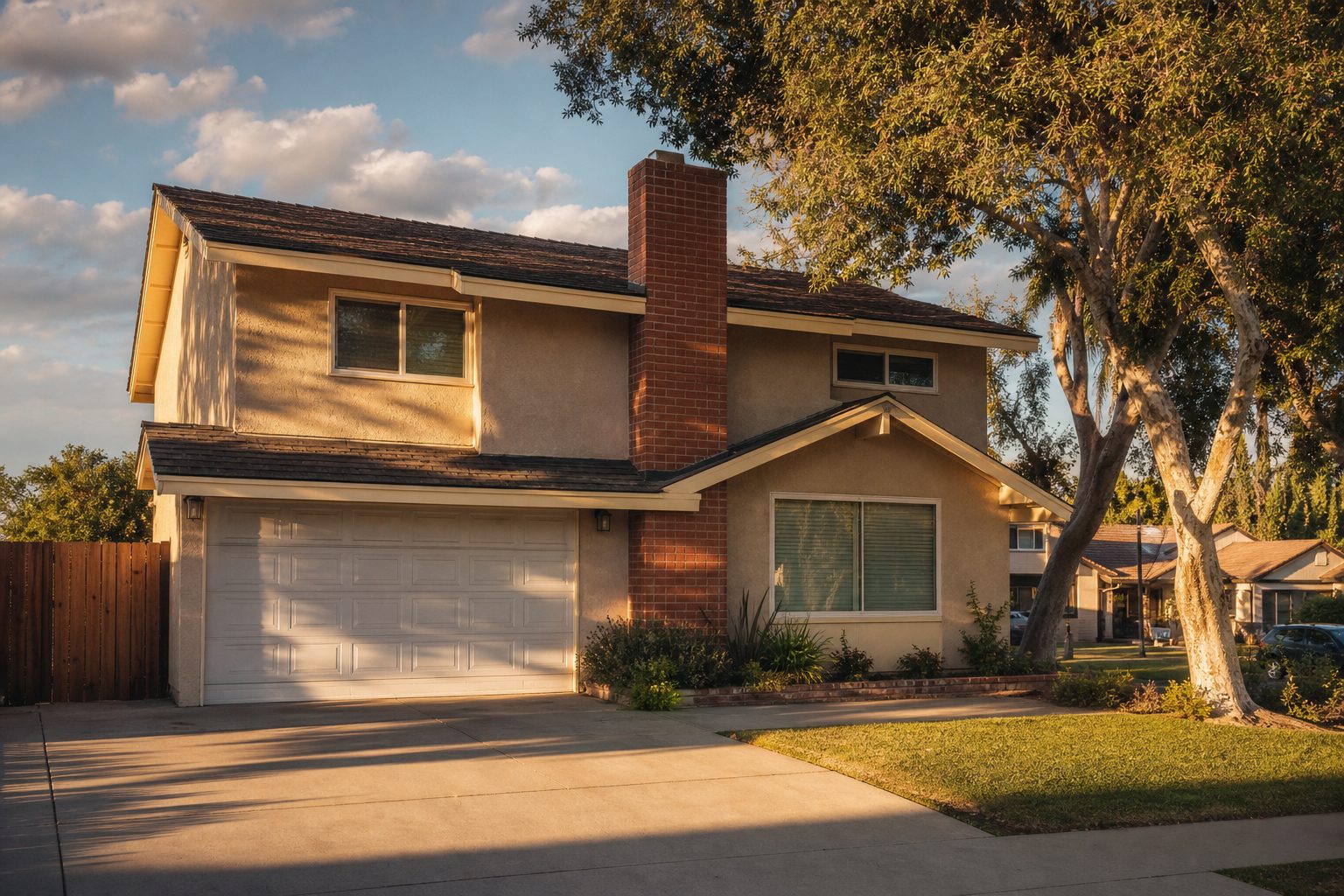
What earthquake repairs and retrofits do I legally have to disclose when selling my home north of Devonshire Street in Northridge 91326 in 2027?
If your Northridge home sustained damage in the 1994 earthquake and you had the chimney and foundation repaired, you must disclose that damage, the repairs performed, and whether permits were pulled on your California Transfer Disclosure Statement, and keep records of any insurance claims tied to the damage.
Why This Matters Right Now for Northridge 91326 Sellers
You have lived in this neighborhood, the quiet blocks north of Devonshire between Tampa Ave and Reseda Blvd, for close to four decades. You survived January 17, 1994, when the USGS-recorded magnitude 6.7 Northridge earthquake shook your foundation and cracked your chimney. You repaired, you rebuilt, and you stayed.
Now, with a spring 2027 sale on the horizon, the question is not whether buyers will ask about earthquake history. They will. The real question is whether you will be ready with clear, organized documentation that turns your earthquake story from a liability into a strength. In the 91326 market, where the median sale price was $1,214,643 for the three months ending September 2026 (per Redfin data), buyers spending north of a million dollars are doing their homework. Your disclosure strategy is part of your pricing strategy, and getting it right protects both your equity and your peace of mind.
*This post is educational and not legal advice. Consult a California real estate attorney for your specific situation.*
What California Law Requires You to Disclose About Earthquake Damage in Northridge
Here is where the rubber meets the road. California has layered disclosure requirements, and as a long-time 91326 homeowner, several apply directly to you.
The Transfer Disclosure Statement (TDS)
Under California Civil Code Sections 1102 through 1102.17, every seller of a one-to-four unit residential property must complete a Transfer Disclosure Statement. The TDS is a detailed questionnaire, and it asks specific questions that are directly relevant to your situation:
- Has the property sustained earthquake damage? You must answer yes and describe what occurred.
- Have structural modifications or repairs been made? Your chimney repair and foundation work must be disclosed here.
- Are there known foundation problems? Even if you believe the foundation repair resolved the issue, disclose the original damage and the work done.
- Did you file insurance claims or receive disaster assistance? Gather records of any earthquake insurance claims, assistance received, and the repairs those funds paid for, and ask your agent and attorney how to disclose them.
What I tell my clients is this: you cannot over-disclose. You can absolutely under-disclose, and that is where the legal risk lives. Under California Civil Code Section 1102.13, a person who willfully or negligently fails to make a required disclosure is liable for the actual damages suffered by the buyer. That exposure can be significant, especially when insurance proceeds are involved.
The Natural Hazard Disclosure (NHD)
Under California Civil Code Section 1103, you must also disclose whether your property sits within any of six designated hazard zones. For earthquake purposes, these include Earthquake Fault Zones and Seismic Hazard Zones covering liquefaction and landslide risk. A third-party NHD company typically prepares this report using California Geological Survey maps.
The Residential Earthquake Hazards Disclosure
California Government Code Section 8897.1 requires sellers of one-to-four unit wood-frame homes built before January 1, 1960 to deliver the state-published *Homeowner’s Guide to Earthquake Safety* to the buyer and complete the disclosure form inside it. Government Code Section 8897.2 defines known earthquake weaknesses, including no anchor bolts, unbraced cripple walls, a habitable room over the garage (soft-story condition), unreinforced masonry, and an unstrapped water heater. Sellers must also disclose any known corrective work.
If your two-story home near Chatsworth Street and Wilbur Avenue was built after 1960, the booklet-delivery requirement may not apply. However, your general obligation to disclose known material facts, including earthquake damage and all repairs, applies regardless of the year your home was built.
What You Are Not Required to Do Before Selling in Northridge 91326
This is the part that surprises most long-time homeowners. The state’s Homeowner’s Guide to Earthquake Safety explains that you are generally not required to:
- Tear out drywall, plaster, or siding to inspect hidden conditions
- Hire an engineer, inspector, or contractor to evaluate your home before completing your disclosures
- Retrofit or repair seismic weaknesses before you sell
California does not have a blanket statewide mandate requiring all homes to be seismically retrofitted before a sale. The law requires disclosure of known deficiencies, not correction. That said, buyers in this price range along Chatsworth Street and near Beckford Charter will absolutely factor seismic condition into their offers. Having a documented, permitted retrofit can shift that negotiation in your favor.
How Earthquake Repairs Can Become a Selling Point in Northridge 91326
Here is where your 1994 repair history can actually work for you rather than against you.
Pull Your Permit Records Now
The Los Angeles Department of Building and Safety (LADBS) maintains permit history for every property address. Search your address through LADBS before you list. If your chimney and foundation repairs were permitted and received a final inspection sign-off in 1994 or later, that paper trail is valuable. It proves the work was done to code and inspected by the city. Buyers and their lenders are dramatically more comfortable when they see finaled permits.
If repairs were done without permits, that becomes its own disclosure conversation, and one you want to have with your listing agent and attorney before the property goes live, not after a buyer’s inspector flags it during escrow.
Pre-Listing Inspections Change the Dynamic
When I prepare a listing, every seller gets my 18-point, 4-phase listing plan in writing. That includes a disclosure checklist and a plan for inspections before the home goes live. For a home like yours, with 38 years of ownership and documented earthquake history, a pre-listing foundation inspection removes the element of surprise. You control the narrative. You know what buyers will find before they find it. And you price accordingly.
With 40 closed transactions since 2020 and an MLS average of 17 days on market at 101% of list price, I have seen how proactive disclosure changes outcomes. Buyers trust transparency, especially at the 91326 price point.
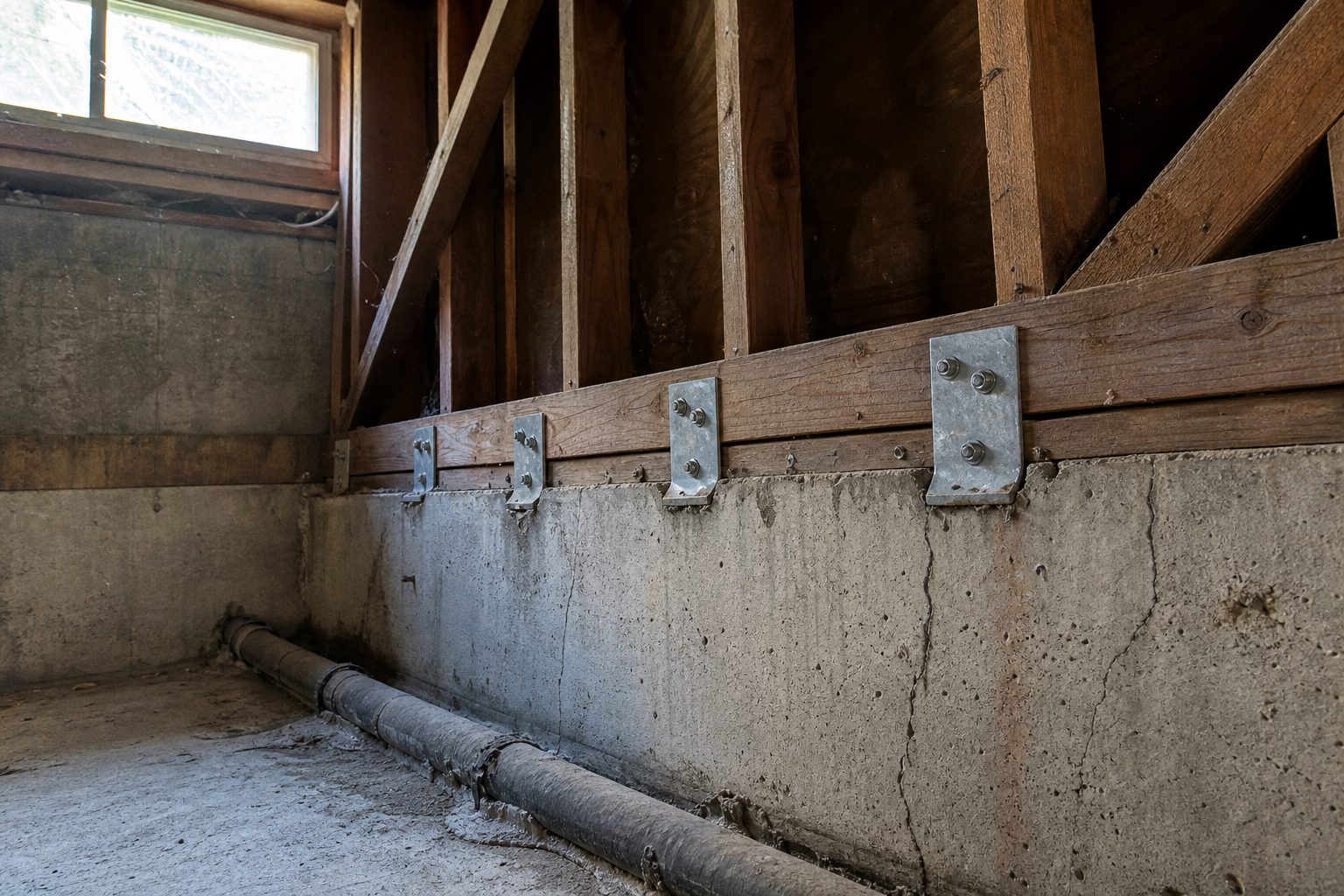
Grant Programs That Could Help Before Your Northridge 91326 Listing
You are not required to retrofit before selling, but if you want to strengthen your home’s appeal, two California Residential Mitigation Program (CRMP) grants are worth knowing about.
- Earthquake Brace + Bolt (EBB): Offers up to $3,000 toward bolting and bracing a house built before 1980 that sits on a raised foundation. ZIP code 91326 is on the eligible ZIP list.
- Earthquake Soft Story (ESS): Offers up to $13,000 for homes built before 2000 with living space over the garage, which can apply to two-story homes with a garage on the ground level.
Both programs open only during specific registration periods, so check the CRMP website for current status if you are considering this before your spring 2027 listing. Completing a grant-funded retrofit and having the documentation in your disclosure packet is a powerful selling tool.
What Northridge 91326 Buyers Will Ask About Earthquake History
Buyers purchasing in the blocks around Tulsa Street and Wilbur Avenue, near Beckford Charter, are often paying over a million dollars, and they tend to be thorough. Their agents will ask about seismic history. Their inspectors will evaluate the foundation, framing, and any visible repairs.
By disclosing proactively, providing permit documentation, and offering an organized repair history, you signal confidence. One past seller summed up the experience of working with me this way:
*”Seann did an outstanding job selling our home! From beginning to end he was professional and exceeded all of my expectations. I would recommend him to everyone. I have had some negative experiences with realtors in the past but that was not the case witch Seann. His communication was excellent throughout the process and I feel confident in saying that his work ethic, expertise, and ultimately results are second to none!”*
That kind of result starts months before listing day, with the right disclosure preparation.
Frequently Asked Questions About Earthquake Disclosure in Northridge 91326
Do I have to disclose the 1994 Northridge earthquake damage even though repairs were completed?
Yes. The California Transfer Disclosure Statement specifically asks whether the property has sustained earthquake damage. The fact that repairs were completed does not eliminate the disclosure obligation. You disclose the damage, the repairs, and whether permits were pulled.
Does the Natural Hazard Disclosure cover earthquake risk for my 91326 home?
Yes. Under California Civil Code Section 1103, your NHD report will identify whether your property sits within an Earthquake Fault Zone or a Seismic Hazard Zone for liquefaction or landslide risk, using California Geological Survey maps.
Am I required to retrofit my home before selling in Northridge?
No. California does not require homeowners to complete a seismic retrofit before selling. You are required to disclose known seismic deficiencies, not to fix them. However, a completed retrofit can strengthen buyer confidence and your negotiating position.
What if I cannot find my 1994 repair permits?
Search your property address through the Los Angeles Department of Building and Safety (LADBS) online permit portal. If permits were filed, they will appear in the city’s records. If no permits exist, disclose that the work was done and discuss the situation with your listing agent and attorney.
Should I disclose insurance claims or assistance I received after the earthquake?
Known damage and repairs are material facts, so gather records of any insurance claims or assistance and the repairs they paid for. Ask your agent and a real estate attorney exactly how to disclose them.
Will earthquake history lower my home’s value in Northridge 91326?
Not necessarily. The median price per square foot in 91326 was $541 as of the three months ending September 2026, up 9.1% year over year per Redfin. Almost every home in this neighborhood experienced the 1994 earthquake. Documented, permitted repairs can actually reassure buyers.
What is the Earthquake Brace and Bolt grant, and does 91326 qualify?
The CRMP Earthquake Brace + Bolt program offers up to $3,000 toward foundation bolting and cripple wall bracing for homes built before 1980 on raised foundations. ZIP code 91326 is listed as eligible. Registration periods vary, so check the CRMP website for current availability.
Does the Earthquake Soft Story grant apply to my two-story home?
If your home was built before 2000 and has living space over the garage, you may qualify for the CRMP Earthquake Soft Story grant, which offers up to $13,000 toward retrofit work. Eligibility depends on specific structural conditions.
Can I sell my Northridge home “as-is” and skip earthquake disclosures?
No. California disclosure obligations apply even in as-is sales. You must complete the TDS and NHD regardless of your sale terms. The as-is designation affects repair negotiations, not your legal disclosure requirements.
How far in advance should I prepare my earthquake disclosure documents?
Start gathering permits, repair records, contractor documentation, and insurance claim files at least three to four months before listing. This gives you time to address gaps, consult an attorney if needed, and have everything organized for your disclosure packet.
The Bottom Line for Selling Your Northridge 91326 Home in 2027
You survived the 1994 Northridge earthquake, repaired your home, and raised your family in one of the best school neighborhoods in the San Fernando Valley. Selling that home in spring 2027 means being transparent about its earthquake history, organized with your permit and repair records, and strategic about how you present that story to buyers. The law requires disclosure of known damage and repairs. It does not require you to retrofit or tear into walls, but it does demand honesty.
With over 55 five star reviews across Google, Zillow and Yelp, a GRI designation, UCLA real estate training, and a military background built on preparation and discipline, I approach every listing with a written plan that includes disclosure strategy from day one. If you are a long-time owner in the blocks north of Devonshire near Beckford Charter and you are thinking about a spring 2027 sale, the best time to start preparing your disclosures is now.
Call or text Seann Brown at 818.960.3501. Park Regency Realty, 9275 Corbin Ave, Northridge. DRE #02093443.
