


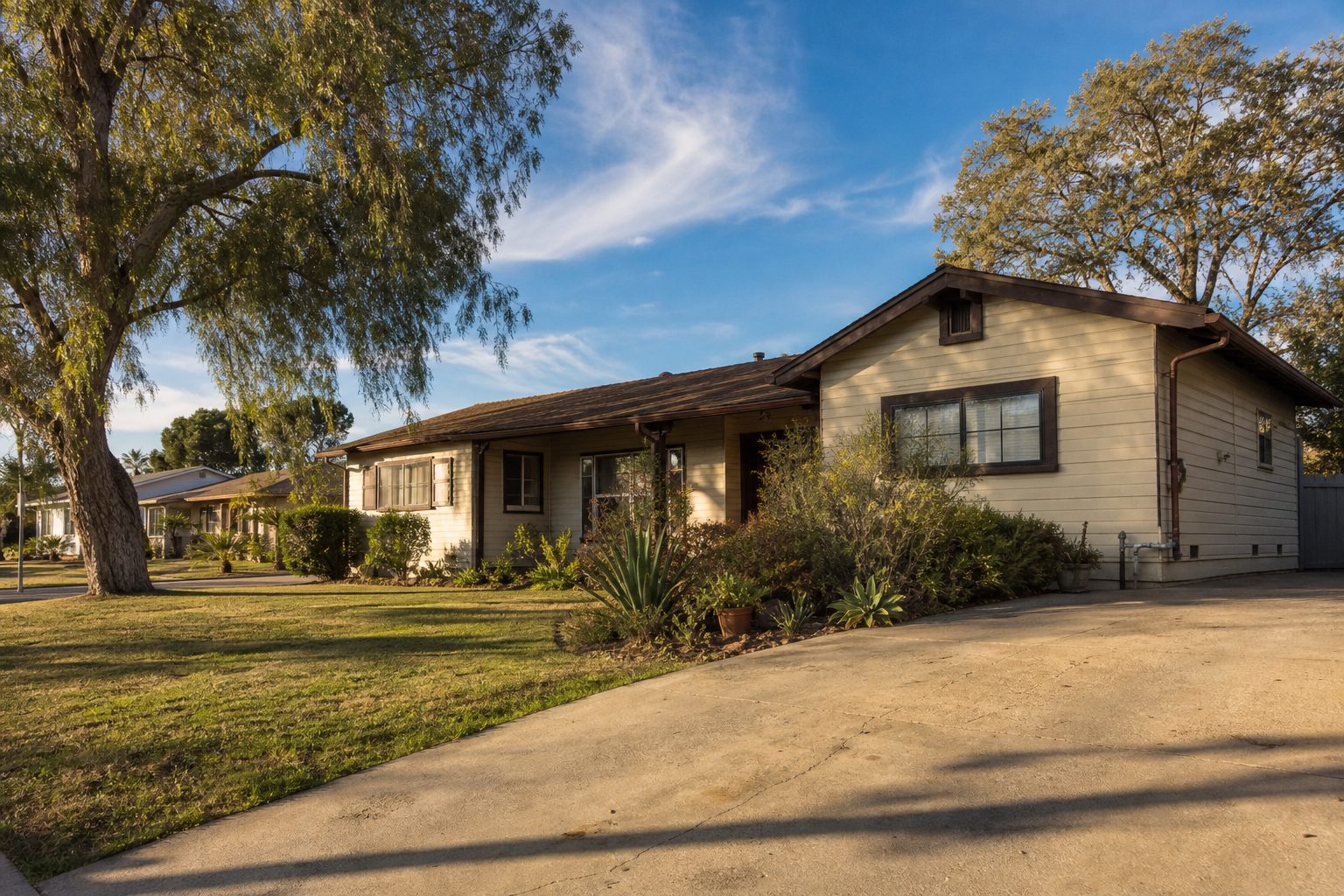
What plumbing, electrical, and sewer problems do buyers find when inspecting original 1950s homes in Lake Balboa, and how should you handle them before listing?
Buyers inspecting 1950s Lake Balboa homes routinely flag galvanized steel water pipes, aging cast iron drains, clay sewer lines with root intrusion, undersized electrical panels, and ungrounded outlets. Getting ahead of these findings before you list is the difference between a smooth closing and a deal that falls apart in escrow.
Why Lake Balboa Sellers Need to Know This Right Now
If you own one of the original ranch-style homes in Lake Balboa, your house is roughly 70 years old. That means the plumbing, electrical, and sewer systems installed when your home was built have exceeded their engineered lifespans. According to plumbing industry data, galvanized steel water pipes have an average life of 40 to 50 years, and cast iron drain lines last 50 to 65 years. Your home’s systems are well past both thresholds.
Here is why this matters for your sale. The median estimated single-family home value in Lake Balboa sits at $904,210, per Resideline data as of October 2026. Single-family homes are selling at a median of just 17 days on market, per CRMLS data as of October 2026. But that speed only applies to homes that are priced right and show well. Homes with deferred maintenance are sitting, because buyers in Lake Balboa have enough options that they will not stretch for a property needing significant work unless the price reflects it, according to local MLS market analysis. With 30-year fixed mortgage rates at 6.38% as of March 2026, per Freddie Mac, buyers are scrutinizing every potential repair cost before making an offer.
What I tell my clients is straightforward: you do not want to discover a cracked sewer line for the first time when a buyer’s inspector hands you a 30-page report in escrow. That is where deals die.
Galvanized Steel Water Pipes in Lake Balboa’s 1950s Homes
This is the single most common issue inspectors flag in the original ranch homes along the blocks between Victory Boulevard and Vanowen Street. Your home almost certainly has galvanized steel water supply lines if it has never been repiped.
How These Pipes Fail
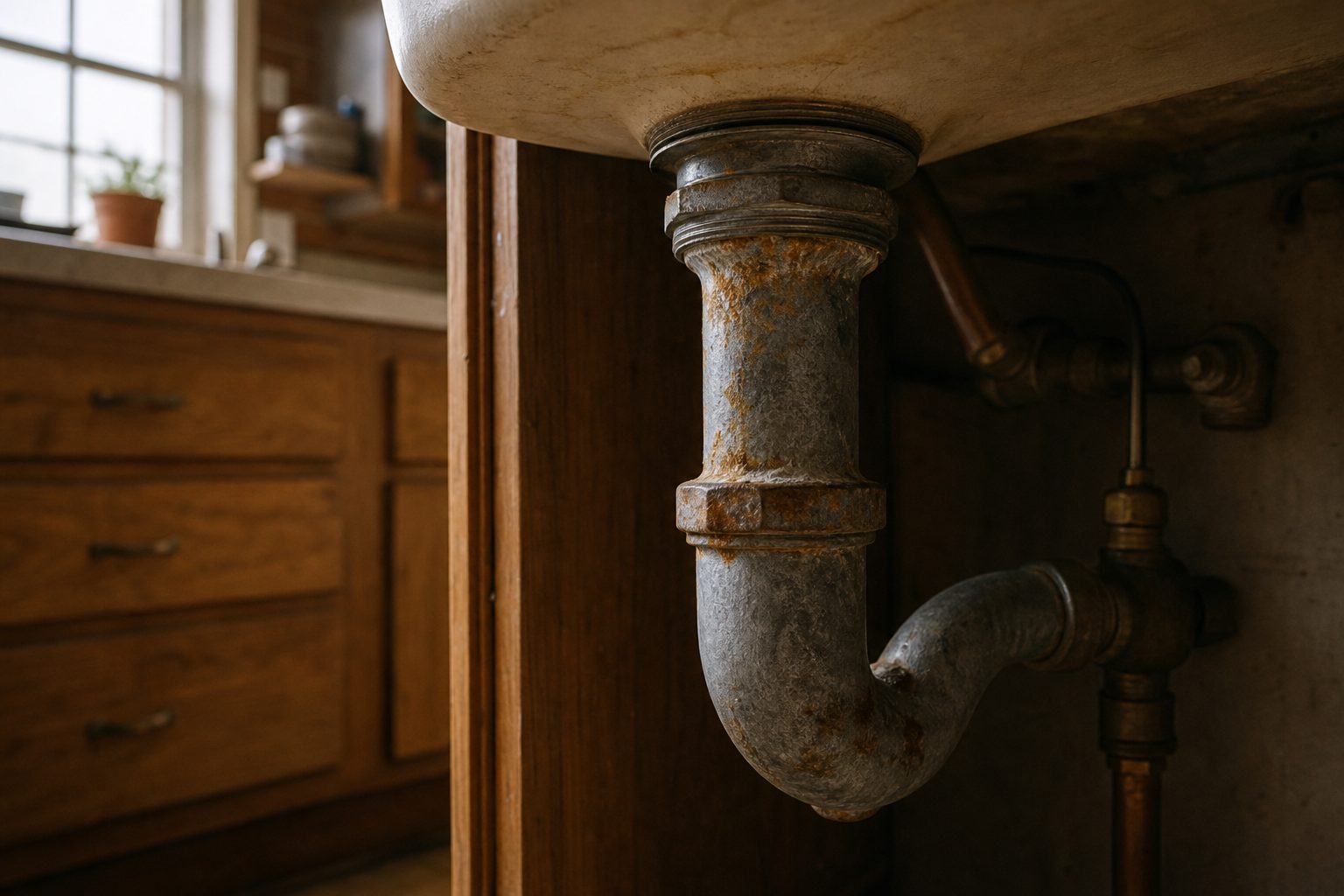
The zinc coating on galvanized pipes deteriorates from the inside out through a process called tuberculation. Rust deposits build up layer after layer on the interior walls, gradually reducing a one-inch pipe to the flow capacity of a cocktail straw. After 70-plus years, the corrosion is often severe.
Warning signs that inspectors and buyers watch for include:
- Significant water pressure drop when running multiple fixtures at once
- Rust-colored or brownish water, especially after the system has been idle
- Metallic taste in drinking water
- Visible rust stains in sinks and around fixtures
- Extended wait times for hot water delivery
Why Buyers and Lenders Care
There is a health concern beyond the flow problem. The zinc coating on galvanized pipes was not chemically pure. Manufacturers used “Prime Western” grade zinc, which contained lead and cadmium impurities. As the coating wears away, those metals leach into drinking water.
From a financing standpoint, buyers’ lenders may require proof of repiping before approving a mortgage. That can effectively make your property impossible to sell to a traditional buyer without first addressing the plumbing. Insurance carriers have also moved galvanized plumbing into the “high-risk” category, often requiring four-point inspections for homes over 40 years old before issuing or renewing coverage.
With 6 years working in the San Fernando Valley and over 40 closed transactions across neighborhoods including Lake Balboa, Northridge, and Reseda, I have seen how these pipe issues play out in real negotiations. You have two choices: repipe before listing, or price the cost into your asking price with full transparency. Either way, you need to know what you are dealing with before a buyer does.
Sewer Line and Drain Pipe Problems in Lake Balboa
Lake Balboa’s tree-lined streets are one of the neighborhood’s best features, but those mature trees are also your sewer line’s biggest threat.
Root Intrusion and Clay Sewer Lines
Most 1950s homes in this area were built with clay sewer laterals connecting your house to the city main. Over seven decades, tree roots find their way into joints and cracks in those clay pipes. Root intrusion causes blockages, slow drains, and eventually full line failure. I have personally seen cracked sewer lines during pre-listing inspections in this neighborhood, and it is far better to know about that situation before you list than to have a buyer’s inspector discover it.
Pipe Bellies and Settling
Your home has been settling gradually for over 70 years. Pipes installed underneath the house, whether buried in the ground or encased in the concrete slab, shift downward over time. This creates negative slopes called pipe bellies that restrict water flow and create pools where waste and sediment accumulate. Symptoms include frequent clogging, slow-draining fixtures, gurgling sounds, and foul odors coming from drains.
The Pre-Listing Sewer Camera Inspection
What I recommend to every seller with a 1950s home in Lake Balboa is simple: get a sewer camera inspection before you list. A licensed plumber sends a camera through your lateral from cleanout to city connection. You will see exactly what condition the line is in, whether there is root intrusion, bellies, offsets, or cracks. This gives you three options: fix it, get competitive bids and credit buyers at closing, or price the repair into your list price. All three are better than being blindsided mid-escrow.
Electrical System Red Flags Buyers Find in Lake Balboa
Your 1950s electrical system was designed for a world without central air conditioning, multiple televisions, home offices, or electric vehicle chargers. Buyers and their inspectors know this.
Common Electrical Findings
- Undersized electrical panels: Original 60-amp service panels are inadequate for modern loads. Today’s standard is 200 amps. Inspectors flag this as both a safety concern and a functional limitation.
- Ungrounded outlets: Two-prong outlets throughout the house indicate the original wiring does not include a ground wire. This is a consistent inspection finding in Lake Balboa’s older homes.
- Cloth-insulated wiring: Many 1950s homes still have original cloth-wrapped wiring, commonly called “rag wire,” which deteriorates over decades and becomes a fire risk as insulation crumbles.
I want to be clear: I am not going to name specific panel brands as dangerous, because that oversimplifies a nuanced issue. What matters is whether your system has been evaluated by a licensed electrician who can assess its condition, capacity, and safety. If your panel is original, it needs professional evaluation before listing.
California Disclosure Requirements for Pre-1960 Lake Balboa Homes
Selling a home built before 1960 in California comes with specific legal requirements that go beyond the standard disclosure packet.
Earthquake Safety Booklet
Homes built before 1960 require the state earthquake safety booklet to be provided to buyers, per the California Department of Real Estate. This is a non-negotiable disclosure requirement, and missing it can create legal exposure after closing.
Water Heater Strapping Certification
California law requires water heaters to be properly strapped to prevent movement during seismic events. Your water heater strapping must be certified, and if it does not meet current code, you will need to address it before or during the transaction.
Material Defect Disclosures
California law requires you to disclose known material defects. If you know your pipes are galvanized, your sewer line backs up regularly, or your electrical panel trips breakers under normal use, those are disclosable conditions. One of my clients recently shared, “Seann was a pleasure to work with. He is very professional, proactive, and knowledgeable. He is timely with communication.” That proactive approach applies directly to disclosures. Being thorough up front protects you legally and builds buyer confidence.
Fix It, Credit It, or Price It In: Your Lake Balboa Selling Strategy
You do not have to fix everything before listing. But you do need a strategy. Here is how I break down the decision for sellers with 1950s homes in Lake Balboa, where single-family homes generally trade in the $850,000 to $1.2 million range, per local MLS data as of October 2026.
- Fix it before listing if the repair will remove a lender objection (like galvanized pipes that block mortgage approval) or if the improvement delivers measurable return. Modern plumbing can increase a home’s resale value by 4 to 6%, according to industry estimates.
- Get bids and offer a credit if the repair is significant but you do not want to manage a renovation before listing. Providing competitive contractor bids shows buyers the actual cost rather than letting their imagination inflate it.
- Price it in if you are targeting investors or cash buyers who plan to renovate anyway. Lake Balboa single-family homes are selling at an average sold-to-list price ratio of 104.6%, per Resideline as of October 2026. But that ratio applies to homes priced correctly for their condition.
Ranked number 8 out of over 150 agents at Park Regency Realty in 2025 and holding both a GRI certification and UCLA Real Estate Entrepreneurship training, I approach every listing with the same discipline I learned during my years as a Sergeant in the U.S. Army: preparation, attention to detail, and a plan that accounts for what can go wrong before it does.
Frequently Asked Questions
Do I have to repipe my Lake Balboa home before selling it?
Not necessarily, but you need to understand that buyers’ lenders may require proof of repiping before approving a mortgage on a home with galvanized plumbing. If you want to sell to a traditional financed buyer, repiping may be a practical requirement. Cash buyers and investors may accept galvanized pipes at a lower price.
How do I know if my Lake Balboa home has galvanized steel pipes?
Look at exposed pipes under sinks or in your garage. Galvanized steel is a dull gray color and may show visible rust at joints. A magnet will stick to galvanized steel but not to copper. If your home was built in the 1950s and has never been repiped, it almost certainly has galvanized supply lines.
What does a sewer camera inspection cost in the San Fernando Valley?
Costs vary by provider, but a sewer camera inspection is one of the most affordable pre-listing investments you can make. It reveals root intrusion, bellies, offsets, and cracks in your sewer lateral so you can plan accordingly rather than negotiate from a position of weakness in escrow.
Should I upgrade my electrical panel before listing my Lake Balboa home?
If your home still has a 60-amp panel, upgrading to a 200-amp panel removes a significant inspection objection. Have a licensed electrician evaluate your system. The cost of the upgrade is often offset by the reduction in buyer repair requests and stronger offers.
What is tuberculation in galvanized pipes?
Tuberculation is the buildup of rust deposits on the interior walls of galvanized steel pipes. Over decades, these deposits form mound-like structures that restrict water flow and reduce pressure. In a 70-year-old Lake Balboa home, this process is typically well advanced.
Are clay sewer lines a deal breaker for Lake Balboa buyers?
They can be. Clay sewer lines are extremely susceptible to root intrusion, especially in Lake Balboa’s mature, tree-lined neighborhoods. A sewer camera inspection before listing lets you determine the line’s condition and decide whether to repair, credit, or price the issue into your sale.
What disclosures are required for pre-1960 homes in California?
Homes built before 1960 require the California earthquake safety booklet to be provided to buyers, per the California DRE. You must also disclose known material defects, including plumbing, electrical, or sewer issues you are aware of. Water heater strapping must be certified as well.
How long are Lake Balboa single-family homes taking to sell in 2026?
Single-family homes in Lake Balboa are spending a median of 17 days on the market, per CRMLS data as of October 2026. However, well-priced homes sell faster, and overpriced or deferred-maintenance homes sit significantly longer.
Will buyers in Lake Balboa accept a home with ungrounded outlets?
Most buyers will flag ungrounded outlets during inspection and request either repairs or a credit. Ungrounded outlets are a consistent finding in 1950s homes and represent both a safety concern and a functional limitation for modern electronics and appliances.
Can I sell my 1950s Lake Balboa home as-is?
You can, but “as-is” does not mean “no disclosure.” You are still legally required to disclose known defects. Pricing an as-is home accurately is critical. Lake Balboa’s current inventory sits at roughly 2.18 months of supply for single-family homes, per local MLS data as of October 2026, so demand supports sales even for older homes when pricing reflects condition.
The Bottom Line
Your 1950s Lake Balboa home sits on a generous lot in a neighborhood where single-family homes are in structural deficit, with only about 2.18 months of inventory available, per local MLS data as of October 2026. That is a strong position to sell from. But the plumbing, electrical, and sewer systems in a 70-year-old home will get flagged during a buyer’s inspection. The question is whether you control that conversation or react to it.
Get a sewer camera inspection and a general inspection before you list. Know what you are working with. Then decide whether to fix, credit, or price it in. That is the approach I take with every listing, and it is what has earned me a 5.0-star Google rating across 31 client reviews.
If you are thinking about selling your Lake Balboa home and want a clear-eyed assessment of where your property stands, call me at 818-960-3501 or visit seannhomes.com. I am Seann Brown with Park Regency Realty, DRE #02093443, and I work with sellers across Lake Balboa and throughout the San Fernando Valley.

Leave a Reply