

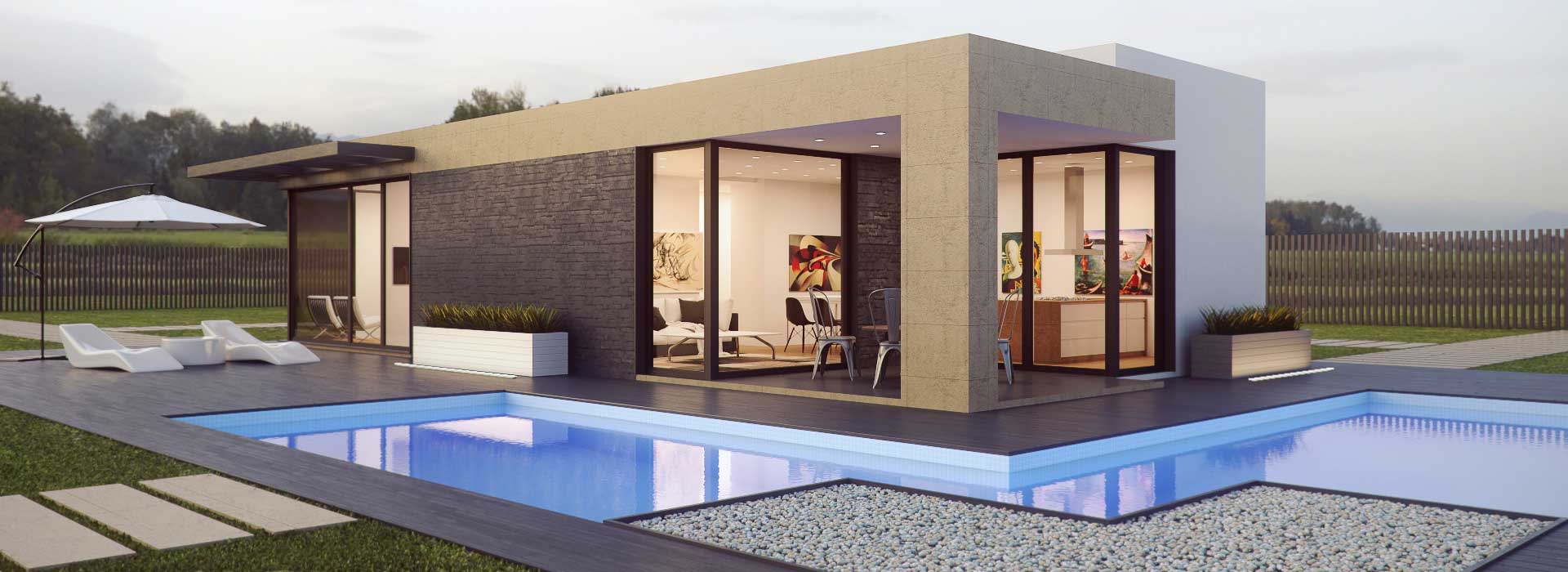
How does your position relative to Ventura Boulevard affect what your Woodland Hills home is worth, and what should you expect when buying or selling on either side?
In Woodland Hills, Ventura Boulevard is more than a commercial corridor. It is the dividing line between two fundamentally different housing markets, and the side you are on can shift your home’s value by hundreds of thousands of dollars.
Why the Ventura Boulevard Divide Matters for Woodland Hills Homeowners Right Now
If you live in Woodland Hills or you are thinking about buying here, the single most important thing I can tell you is this: never price a home using the overall neighborhood median. The Woodland Hills median sold price sits at $1,201,100 across 526 tracked closings over a recent six-month period, per Redfin data as of August 2026. But that number blends two very different realities into one misleading figure.
South of Ventura Boulevard, you are looking at hillside estates, canyon views, gated communities like Walnut Acres, and modern builds priced well above $3 million in some pockets. North of the Boulevard, the landscape flattens out into a gridded pattern of single-story tract homes from the 1960s through the 1980s, with condos and townhomes starting in the $600,000s near Warner Center.
The San Fernando Valley market is also shifting. According to recent market analyses as of late 2026, 56.8% of Valley sellers closed below their original list price, and 52.9% of transactions included seller concessions averaging $31,116. So pricing strategy is not just important; it is the difference between a clean close and a prolonged, painful listing.
Woodland Hills South of the Boulevard: What You Are Actually Paying For
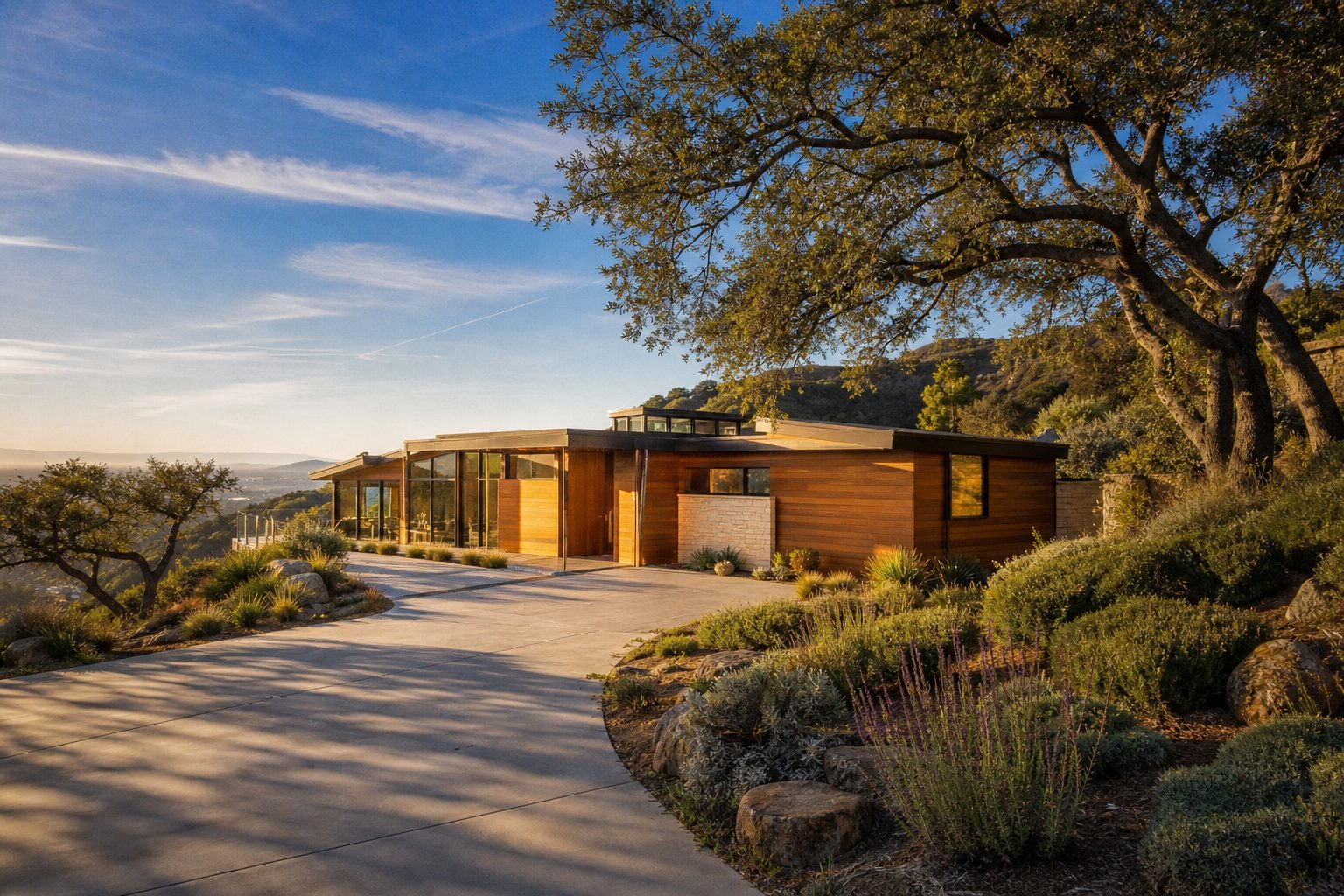
South of Ventura Blvd is the side of Woodland Hills that feels like it belongs in the Santa Monica Mountains, because, geographically, it does. Larger lots, hillside terrain, more privacy, and premium pricing define this micro-market.
As of September 2026, south-of-boulevard listings per CRMLS data show 118 active properties with a median list price of $1,509,450, an average price per square foot of $672.76, and an average of 72 days on market. The neighborhood breakdown in the research puts the south-of-Ventura price band at $1.1M to $2.2M for flat-lot properties near top schools, and even higher in areas like Westchester Hills ($1.4M to $3.2M) and Hidden Hills Adjacent ($2.2M to $5.5M and above).
What I tell my clients is that the south side’s premium reflects a combination of tangible and intangible factors:
- Lot size: 7,000 to 10,000 square foot lots on the flat portions, with 15,000 square feet and above in areas like Woodlake Estates
- Walkability to Ventura Boulevard restaurants and retail
- School proximity, including El Camino Real Charter High School
- Canyon and hillside views on higher-elevation properties
But there is a real cost beyond the purchase price. Fire zone designation is a serious consideration. Some south-side properties carry higher fire risk scores, which translates to rising insurance premiums, policy cancellations, and additional disclosure requirements. The California Department of Insurance continues working on solutions, but as of 2026, this remains an active concern for every south-side buyer and seller.
Woodland Hills North of the Boulevard: The Value Side of the Equation
Cross Ventura Boulevard heading north, and the landscape changes quickly. The streets flatten out, the lots become more uniform, and the homes shift from custom builds to mid-century ranches and modern condos.
Per Redfin data for the three months ending June 2026, ZIP 91367 (north of the Boulevard) showed a median sale price of $1,203,728 at $542 per square foot, down 2.9% year over year. That price-per-square-foot number is worth paying attention to. Compare it to the south side’s $672.76 per square foot, and you start to see where the value equation shifts.
What does that actually mean if you are making a buying decision today? It means the north side gives you:
- Easier insurance: No fire zone designation on most properties, which keeps your annual costs predictable
- More single-story options: Ideal for families with young children or buyers planning to age in place
- Simpler lending: Flat lots and standard construction mean fewer appraisal headaches
- Proximity to Warner Center: The Valley’s employment and retail hub is minutes away via Oxnard Street or Calvert Street
This is the side of Woodland Hills where first-time buyers and growing families tend to land. The El Camino Real Corridor, for example, offers ranch-style homes in the $875K to $1.4M range on 6,500 to 9,000 square foot lots, with strong renovation potential.
Recent Woodland Hills Sales That Show the North-South Price Gap in Action
Numbers on a page only tell part of the story. The real picture comes into focus when you look at what actually closed recently.
From May and June 2026 closed sales data in Woodland Hills:
- 23755 Clarendon (south side, 4 bed, 3,160 sq ft): Sold for $2,330,000 at $737 per square foot
- 5700 Fairhaven (south side, 4 bed, 3,141 sq ft): Sold for $2,250,000 at $716 per square foot
- 22037 Ybarra (north side, 4 bed, 1,980 sq ft): Sold for $1,063,500 at $537 per square foot
- 6225 Shoup Ave, Unit 109 (condo near Warner Center): Sold for $665,000 at $376 per square foot
Look at the Clarendon sale versus the Ybarra sale. Both are four-bedroom homes in Woodland Hills. But the south-side Clarendon property commanded $1,266,500 more and a $200 higher price per square foot. That is the Boulevard divide in action. If you are selling and you price your north-side home using south-side comps, or vice versa, you are going to have a problem.
Having closed over 40 transactions across the San Fernando Valley and carrying a GRI designation along with my UCLA Extension Real Estate Entrepreneurship training, I have seen firsthand how this comp mistake plays out on both sides of the Boulevard.
What Woodland Hills Move-Up Buyers Should Consider Before Crossing the Boulevard
If you are a current homeowner north of Ventura Boulevard thinking about moving south, the math deserves careful attention. Many north-side owners bought in the $850K to $1.2M range. The move to a south-side property at $1.5M and above means bridging a significant gap, especially with carrying costs higher than they were a few years ago.
Here is the move-up path I typically walk through with clients:
- Know your equity position first. Many longtime Valley homeowners bought for $300,000 to $400,000 in the 1980s or 1990s, per available market analyses. Today, those homes may be worth $1.2 million or more. That equity is your bridge.
- Factor in the insurance delta. Moving from a flat north-side lot to a hillside south-side property can change your insurance costs significantly.
- Consider the geology questions. Hillside properties bring slope stability, drainage, and retaining wall considerations that flat-lot homes simply do not have.
- Do not skip the fire risk disclosure review. Prices shift based on whether a home sits inside a designated fire hazard zone, and this is one area where I always encourage my clients to work with their insurance broker before making an offer.
With 31 five-star reviews and a 5.0-star rating from past clients, one thing I hear consistently is that buyers appreciate having these financial and risk factors laid out clearly before they fall in love with a view. The view is great, but the total cost of ownership is what determines whether the move actually works for your family.
How Woodland Hills Compares to Neighboring San Fernando Valley Communities
If you are weighing Woodland Hills against other western Valley neighborhoods, here is how the market stacks up based on April 2026 closed sales data:
- Encino: $2,440,000 median (48 sales)
- Tarzana: $1,242,500 median (25 sales)
- West Hills: $1,100,000 median (41 sales)
- Woodland Hills: $1,097,500 median (70 sales)
- Northridge: $989,500 median (42 sales)
- Chatsworth: $899,950 median (29 sales)
- Lake Balboa: $899,500 median (14 sales)
- Resesa: $845,500 median (24 sales)
Woodland Hills sits right in the middle of the Valley price spectrum. But remember, that $1,097,500 figure blends north and south. If you are shopping south of the Boulevard, you are competing in a price bracket closer to Encino. If you are buying north of the Boulevard, you are in the West Hills and Northridge range.
Frequently Asked Questions
What is the median home price in Woodland Hills in 2026?
The median sold price across Woodland Hills is $1,201,100 based on 526 closings over a recent six-month period, per Redfin data as of August 2026. However, this blends two very different markets. South of Ventura Boulevard, the median list price is $1,509,450 per CRMLS data as of September 2026. North of the Boulevard in ZIP 91367, the median sale price is $1,203,728 for the three months ending June 2026.
Why is south of Ventura Boulevard more expensive in Woodland Hills?
South-side properties command higher prices because of larger lots (often 10,000 to 20,000 square feet and above), hillside and canyon views, more privacy, proximity to top-rated schools, and walkability to Ventura Boulevard’s retail and dining corridor. Gated communities and custom architecture add further premium.
Are there fire risk concerns south of Ventura Blvd in Woodland Hills?
Yes. Many south-side properties carry fire zone designations because they sit in or near the Santa Monica Mountains foothills. This can mean higher insurance premiums, potential policy cancellations, and additional disclosure requirements. The California Department of Insurance is working on stabilization measures as of 2026.
What kind of homes are north of Ventura Boulevard in Woodland Hills?
North of the Boulevard features single-story tract homes from the 1960s through 1980s, mid-century ranches, townhomes, and modern condos. Lots tend to be flatter and more uniform. Condos and townhomes near Warner Center start in the $600,000s, while single-family homes in the El Camino Real Corridor range from $875K to $1.4M.
What is the price per square foot difference between north and south Woodland Hills?
As of mid-2026, the south side averages $672.76 per square foot per CRMLS data, while the north side (ZIP 91367) shows $542 per square foot per Redfin data. Newer construction south of the Boulevard can reach $650 to $750 per square foot, while dated ranch homes may sell for $425 to $525 per square foot.
How long do homes take to sell in Woodland Hills?
Market-wide, Woodland Hills single-family homes show a median of 32 days on market. However, south-of-boulevard listings currently average 72 days on market per CRMLS data as of September 2026, reflecting higher price points and a more selective buyer pool. Well-priced north-side homes tend to move faster.
Is Woodland Hills a good place for move-up buyers in 2026?
Woodland Hills offers a clear move-up path, particularly for homeowners currently in Northridge, Lake Balboa, or Reseda looking to step into a higher price tier. North of the Boulevard provides accessible entry, while south of the Boulevard serves as the next tier for those with significant equity.
How does Woodland Hills compare to Northridge home values?
The Northridge median sold price is $1,060,000 as of October 2026, per Redfin and CRMLS data, compared to $1,201,100 in Woodland Hills overall. North-of-boulevard Woodland Hills homes trade at price points that overlap significantly with Northridge, making the communities comparable for many buyers.
Are seller concessions common in Woodland Hills right now?
Across the San Fernando Valley, 52.9% of closed sales included seller concessions as of 2026, with an average concession of $31,116 and a median of $25,000. Woodland Hills is no exception, especially for properties that sit on market beyond 30 days.
Should I use the overall Woodland Hills median to price my home?
No. This is the most common mistake I see sellers make. The overall median blends two markets that can differ by $400,000 or more. Your home needs to be priced against comps on your specific side of Ventura Boulevard, accounting for lot size, condition, fire zone designation, and school boundaries.
The Bottom Line
Woodland Hills is not one market. It is two, divided by Ventura Boulevard. If you are selling, your pricing strategy needs to reflect the specific micro-market your home sits in, not the blended median that search engines display. If you are buying, understanding which side of the Boulevard fits your budget, your risk tolerance, and your lifestyle is the first decision that shapes everything else.
As a REALTOR® with 6 years of experience serving the San Fernando Valley, a U.S. Army veteran, and someone ranked number 8 of over 150 agents at Park Regency Realty in 2025, I approach every listing and every buyer consultation with the same discipline: get the data right first, then build the strategy around it. If you are considering a move in Woodland Hills, Northridge, or anywhere in the western Valley, I would welcome the chance to walk through your specific situation. You can reach me, Seann Brown, at Park Regency Realty, 818-960-3501, or visit seannhomes.com.
For more information about the homebuying process and what to expect, the Consumer Finance Protection Bureau’s homeownership resources offer comprehensive guidance on financing and buyer protections.
*All market statistics referenced in this post are sourced from Redfin, CRMLS, and the California Association of REALTORS® as noted, with data periods ranging from April through October 2026. Real estate values can change rapidly. Consult a licensed professional for guidance specific to your property. DRE #02093443.*

Leave a Reply