


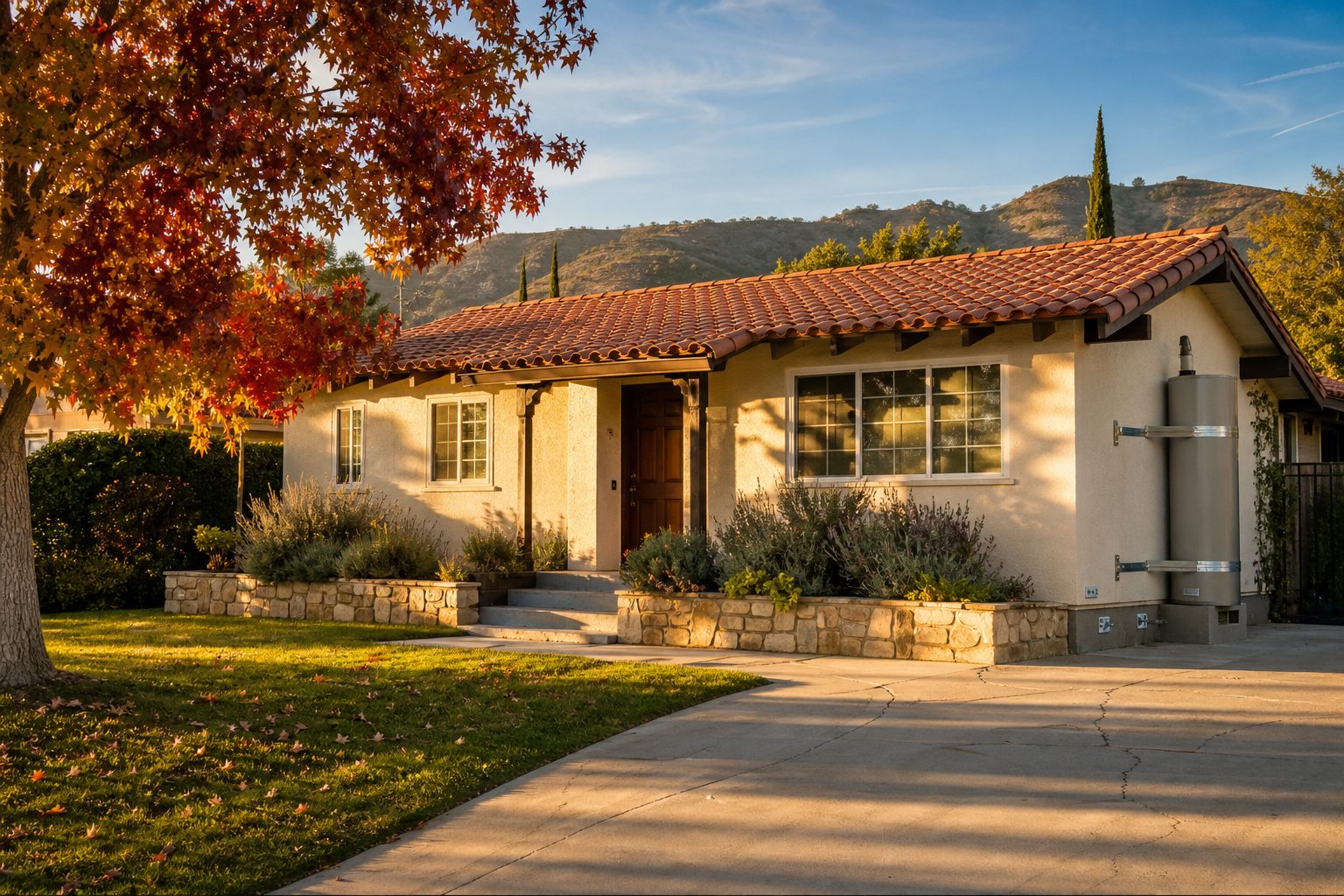
If you own an older home in Northridge, how does the 1994 earthquake still impact your ability to sell it today?
More than 32 years after the magnitude 6.7 Northridge earthquake, its legacy shapes every disclosure, inspection, and buyer negotiation in this market. If you are selling a pre-1994 home in Northridge, your earthquake history is part of the deal.
Why This Matters Right Now in Northridge
You might assume that an earthquake from 1994 is ancient history. It is not, especially not in Northridge, where the epicenter hit and where the housing stock reflects decades of rebuilding, retrofitting, and, in some cases, deferred maintenance.
According to USGS data, the January 17, 1994 earthquake killed 33 people, injured more than 7,000, and left 20,000 residents homeless. It ranks among the most costly earthquakes in U.S. history. The physical and regulatory aftershocks still ripple through home sales across Northridge, Granada Hills, Reseda, and every surrounding San Fernando Valley neighborhood.
Here is the critical detail: per CRMLS data, the median year built for Northridge homes is 1958. That means the typical home in this market was already 36 years old when the earthquake hit and is now approaching 70 years of age. With 6 years of experience helping homeowners buy and sell across the San Fernando Valley, and having earned GRI certification through UCLA Extension, I can tell you that earthquake history comes up in virtually every older-home transaction I handle.
What Northridge Buyers and Inspectors Still Look For
So what exactly are today’s buyers scrutinizing when they tour your 1960s ranch home near Devonshire Highlands or your mid-century property off Zelzah Avenue? The list is specific and predictable.
Buyers and their inspectors routinely ask about:
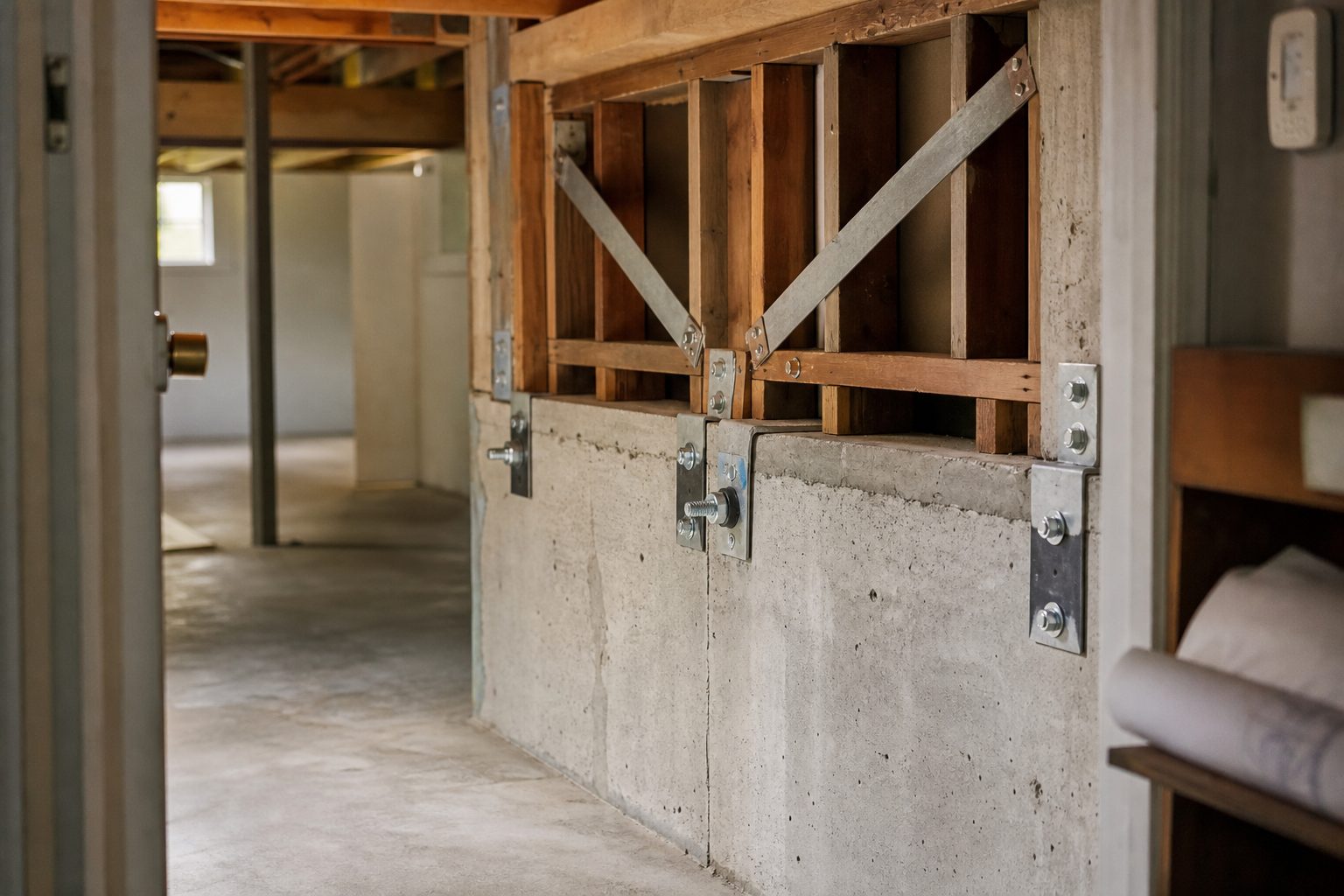
- Foundation repairs and cripple-wall bracing on raised-foundation homes
- Chimney rebuilds (concrete-block chimneys replaced unreinforced brick throughout Northridge after 1994)
- Slab cracks and evidence of shifting or settlement
- Water heater strapping certification, which is required by California law
- Permits and receipts for any past earthquake repairs or seismic retrofits
What I tell my clients is straightforward: if you have documentation showing the work was done, permitted, and inspected, you are in a significantly stronger position than a seller who cannot account for repairs. The difference between “yes, here are the permits” and “I think the previous owner handled it” can mean thousands of dollars in buyer-requested concessions, or worse, a deal falling apart during the inspection contingency period.
In the current Northridge market, as of October 2026, homes sell at a median of 100.0% of their original asking price after a median 21 days on market, per CRMLS data. But that number applies to well-prepared listings. Homes with unresolved structural questions or missing documentation tend to sit longer and attract sharper price negotiations.
Northridge Disclosure Requirements You Cannot Skip
California law does not let you gloss over earthquake history. If you are selling a home in Northridge, you need to understand three specific obligations:
Transfer Disclosure Statement (TDS): You must disclose any known earthquake damage, whether it was repaired, and the nature of those repairs. This applies even if the damage occurred under a previous owner and you learned about it during your ownership.
Natural Hazard Disclosure (NHD): Your NHD report will identify whether the property sits within a seismic hazard zone. Most of Northridge falls within mapped hazard zones, so this is not a surprise to experienced buyers, but it is a required part of the transaction.
The Earthquake Safety Booklet: Per California law, homes built before 1960 require the seller to provide the state earthquake safety booklet to the buyer at close of escrow. Given that the median year built in Northridge is 1958, according to CRMLS data, this applies to roughly half the housing stock.
Skipping or minimizing these disclosures does not protect you. It exposes you to post-sale liability. What I always recommend to sellers is to get ahead of it: gather your permits, pull your repair records, and present them proactively in your disclosure package.
How Seismic Retrofitting Affects Your Northridge Home Value
Here is where earthquake history becomes a pricing conversation. In a market where the median sold price in Northridge is $1,060,000 across 285 tracked closings over the last six months (per Resideline, October 2026), the gap between a retrofitted home and one with unresolved seismic concerns can be significant.
Homes that have been seismically retrofitted, meaning bolted to their foundation, cripple walls braced, and water heater strapping certified, tend to move through the inspection process with fewer contingency issues. Homes with unresolved structural questions face buyer resistance, and in a market where 21% of sellers already reduce their price before selling (per CRMLS, September 2026), you do not want earthquake concerns adding to your pricing pressure.
The Earthquake Brace + Bolt Program
You may be eligible for financial assistance. The Earthquake Brace + Bolt (EBB) program, run by the California Earthquake Authority and FEMA, has provided grants of up to $3,000 for seismic retrofitting of older homes. If you have not yet retrofitted your raised-foundation home, this program can offset part of the cost while adding tangible value to your property.
Pre-Listing Retrofit Strategy
With 40 closed transactions and a 5.0-star Google rating across 31 client reviews, I have walked sellers through this decision many times. The calculus is usually simple: a retrofit that costs a few thousand dollars can prevent a buyer from requesting $15,000 to $25,000 in concessions, or walking away entirely. In a market where 52.9% of San Fernando Valley transactions already include seller concessions at a median amount of $25,000 (per recent SFV market data), removing the earthquake variable from your negotiation is a smart, strategic move.
How Earthquake History Plays Out Across the San Fernando Valley
This is not exclusively a Northridge issue. The earthquake’s impact extends across every neighborhood in the San Fernando Valley, but the intensity varies.
- Northridge and Reseda were closest to the epicenter and sustained the most widespread residential damage. Homes in these areas face the most scrutiny from buyers and inspectors.
- Granada Hills and Porter Ranch experienced significant damage to hillside foundations and retaining walls. Slope stability remains a factor in buyer due diligence.
- Woodland Hills and Encino, while farther from the epicenter, still contain pre-1960 housing stock subject to the same disclosure requirements. In Woodland Hills, where the median closing price is $1,201,100 across 526 closings (per Resideline, as of 2026), buyers at that price point hire structural engineers as a matter of course.
- Chatsworth, West Hills, Tarzana, and Lake Balboa each carry their own seismic zone designations and retrofit considerations.
The bottom line: wherever you are in this market, the earthquake’s legacy is part of the conversation.
Insurance Implications for Northridge Homeowners
After the 1994 earthquake, the California Earthquake Authority (CEA) was created in 1996 to provide earthquake insurance. Today, earthquake insurance remains optional for homeowners, but it is a significant consideration for Northridge buyers evaluating your property.
Premiums in the Northridge area tend to be higher due to proximity to the epicenter and known fault lines. Some buyers will factor earthquake insurance costs into their affordability calculations, which can indirectly affect what they are willing to offer for your home.
Additionally, local environmental factors such as wildfire insurance costs remain concerns across the Valley, per recent market analysis. Some homeowners have faced rising premiums or policy cancellations. If your home has documented seismic retrofitting, it may qualify for lower earthquake insurance premiums, another selling point worth highlighting in your listing materials.
Frequently Asked Questions
Does the 1994 Northridge earthquake still affect Northridge home prices in 2026?
Yes. Homes with documented seismic retrofits and permitted earthquake repairs tend to sell with fewer contingency issues and less buyer pushback. Homes with unresolved foundation concerns or missing documentation face more aggressive negotiations. In a Northridge market where homes sell at a median of 100.0% of asking price after 21 days on market (per CRMLS, September 2026), having clean seismic documentation keeps you at the strong end of that range.
Do I have to disclose earthquake damage when selling my Northridge home?
Absolutely. California’s Transfer Disclosure Statement requires you to disclose known earthquake damage and any repairs performed. The Natural Hazard Disclosure report will also identify whether your property sits in a seismic hazard zone, which most Northridge properties do.
What is the earthquake safety booklet requirement for Northridge sellers?
Per California law, sellers of homes built before 1960 must provide the state earthquake safety booklet to buyers at close of escrow. With the median year built in Northridge at 1958 according to CRMLS data, this requirement applies to a significant portion of the local housing stock.
Is water heater strapping required when selling a home in Northridge?
Yes. California law requires water heaters to be strapped and certified. This is a standard inspection item, and buyers’ inspectors will flag it if your water heater is not properly secured. It is an inexpensive fix that eliminates a common objection.
What is the Earthquake Brace + Bolt program?
The EBB program, run by the California Earthquake Authority and FEMA, provides grants of up to $3,000 for seismic retrofitting of older homes with raised foundations. It can help offset the cost of cripple-wall bracing and foundation bolting.
How does cripple-wall bracing affect my Northridge home sale?
Cripple walls are the short wooden walls between your foundation and the first floor. Unbraced cripple walls are a known vulnerability in older homes. Buyers and inspectors specifically look for evidence of bracing, and its absence is one of the most common reasons for renegotiation during escrow.
Should I get a foundation inspection before listing my Northridge home?
Getting a pre-listing foundation inspection is one of the smartest moves you can make as a Northridge seller. It allows you to address issues proactively, price your home accurately, and present documentation that builds buyer confidence from day one.
Do Northridge homes built after 1994 have earthquake concerns?
Homes built after 1994 were constructed under significantly updated building codes that addressed vulnerabilities exposed by the earthquake. While no home is immune to seismic risk, post-1994 construction is generally viewed more favorably by buyers and inspectors in terms of structural resilience.
How does earthquake history affect home insurance in Northridge?
Earthquake insurance is optional in California, but Northridge’s proximity to the epicenter and known fault lines tends to result in higher premiums. Homes with documented seismic retrofits may qualify for lower rates, making retrofitting a potential financial benefit beyond just resale value.
What structural upgrades add the most value when selling an older Northridge home?
Foundation bolting, cripple-wall bracing, chimney reconstruction (replacing unreinforced brick with concrete block), and certified water heater strapping are the upgrades most directly tied to earthquake readiness. Having permits and receipts for this work, and sharing them upfront, is what separates a smooth transaction from a contentious one.
The Bottom Line
If you own an older home in Northridge, the 1994 earthquake is not just history. It is an active part of your selling process, from disclosure requirements and inspection negotiations to insurance costs and buyer psychology. The sellers who succeed in this market are the ones who address earthquake concerns head-on: gathering permits, completing retrofits, and presenting documentation proactively.
With 6 years of experience in the San Fernando Valley, GRI certification, and a background that taught me preparation and attention to detail long before I entered real estate, I help Northridge homeowners navigate exactly these challenges. If you are considering selling your home and want to understand how earthquake history affects your specific property, reach out to me, Seann Brown, at Park Regency Realty. You can call me at 818-960-3501 or visit my services page. Let’s build a strategy that puts you in the strongest position possible.

Leave a Reply