


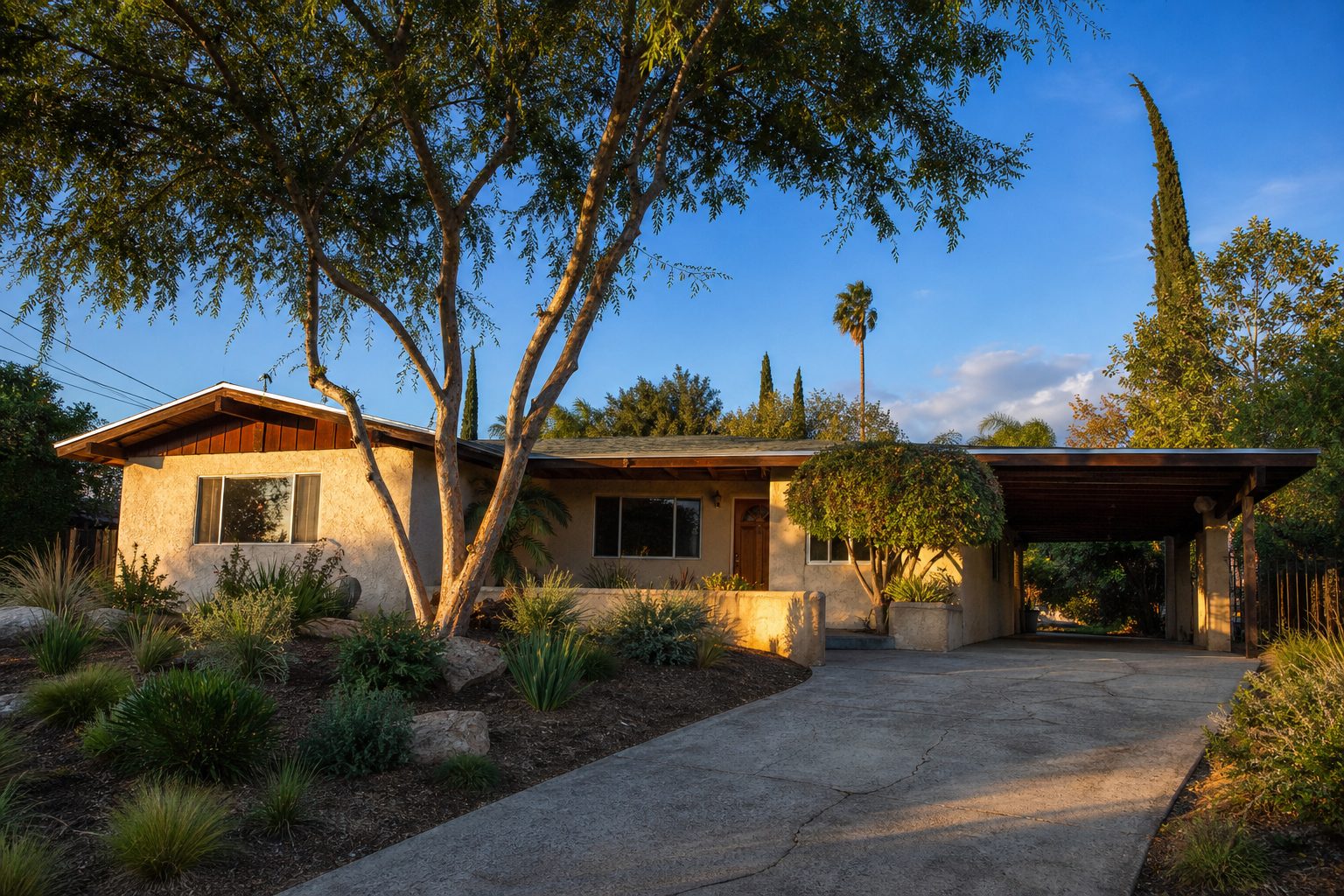
Should you invest in a pre-listing inspection before putting your Woodland Hills home on the market, or is it a waste of time and money?
Yes, and in the current Woodland Hills market, a pre-listing inspection is one of the most strategic moves you can make. It reduces escrow surprises, strengthens the offers you receive, and puts you in control of the repair narrative before buyers and their agents start picking your home apart.
Why a Pre-Listing Inspection Matters for Woodland Hills Sellers Right Now
The days of buyers waiving inspections and throwing money at any listing with a pulse are behind us. In the 2026 San Fernando Valley market, 52.9% of transactions include seller concessions, and 56.8% of sellers are closing below their original list price, according to April 2026 market data compiled by regional MLS sources. That means buyers are doing their homework, bringing inspectors, and negotiating hard.
Here in Woodland Hills, the median sold price sits at $1,201,100 across 526 closed sales over the past six months, as of August 2026, per Resideline data. With the middle half of sales landing between $895,000 and $1,700,000, you are not dealing with small numbers. A $15,000 to $30,000 repair credit request during escrow can throw your entire timeline and bottom line sideways. What I tell my clients is simple: a few hundred dollars on inspections before listing is cheap insurance against five-figure surprises later.
So what does all of this look like on the ground? Let me walk you through the specifics.
The Inspections Woodland Hills Homes Actually Need
Not every home needs the same inspection checklist. Woodland Hills has a unique mix of flatland ranch homes south of Ventura Boulevard and hillside custom properties north toward Mulholland Drive, and each type carries its own set of concerns.
Here is what I recommend for most Woodland Hills sellers:
- General home inspection. This is your baseline. It covers structural, electrical, plumbing, HVAC, and major systems. For dated ranch homes along the Oxnard Street or Shoup Avenue corridors, expect the inspector to flag aging water heaters, original electrical panels, and single-pane windows.
- Sewer camera inspection. Older cast-iron sewer lines in homes built during the 1950s through 1970s are commonly root-compromised. This is one of the most common deal-breakers that catches sellers off guard.
- Roof inspection. With Woodland Hills homes averaging $589 per square foot as of August 2026, buyers scrutinize everything. A clean roof report eliminates one of the biggest anxiety points.
- Pool and spa inspection. South of Ventura Boulevard, pool homes dominate. According to current market data, properties with resort-style pools and spa facilities are among those moving fastest in Woodland Hills, often selling in under 20 days. Confirming your pool equipment is functional protects that selling advantage.
- Foundation or geology review. This is especially critical if your home sits north of Ventura near Mulholland Drive, where hillside lots with cracks, drainage issues, or retaining walls demand professional evaluation. A geology review can confirm slope stability and drainage adequacy, which gives canyon-view buyers the confidence to move forward.
Having closed over 40 transactions across the San Fernando Valley in my 6 years as a REALTOR, I can tell you that the sewer camera and foundation review are the two inspections sellers most often skip, and they are exactly the two that cause the most escrow fallout.
How a Pre-Listing Inspection Strengthens Your Offers in Woodland Hills
Think about this from the buyer’s perspective. You are considering two homes south of Ventura Boulevard, both priced around $1.3 million. One has a full pre-listing inspection package available for review. The other has nothing, and you know your own inspector will find something.
Which home are you writing a stronger offer on?
According to NAR REALTOR Magazine, more listing agents are recognizing that a pre-listing inspection gives the seller an upper hand. The transparency builds buyer confidence, reduces the negotiation that typically follows a buyer’s inspection, and often speeds up the closing process. In some cases, buyers accept the seller’s inspection report and forgo ordering their own, shaving days or even weeks off the timeline.
In a market where homes in the $1.8M to $2.5M range are averaging 24 to 31 days to sell, per current Woodland Hills data, that speed advantage matters. If you need to close your sale before purchasing your next home in Tarzana, Encino, or Porter Ranch, removing friction from the buyer’s due diligence period is a strategic play.
And here is something worth noting: as of August 2026, newer construction in Woodland Hills commands $650 to $750 per square foot, while dated ranch homes may sell for only $425 to $525 per square foot. A pre-listing inspection report that confirms your systems are updated helps justify pricing closer to that higher range.
What Happens When You Skip the Pre-Listing Inspection
When sellers skip inspections, they hand the negotiation power directly to the buyer. Here is the typical sequence: your home goes on the market, you accept a solid offer, and then the buyer’s inspector walks through and flags a corroded sewer line, a compromised roof section, or foundation cracking near a hillside retaining wall. Now you are on defense. The buyer’s agent sends a repair request for $25,000 to $40,000, and you have two options: agree to credits you did not budget for, or risk the buyer walking away entirely.
The average seller concession across the San Fernando Valley is $31,116, with a median of $25,000, per April 2026 market data. That is real money. A pre-listing inspection lets you decide which repairs to address on your timeline, with your contractors, at prices you have shopped around for. As the American Society of Home Inspectors notes, getting a pre-listing inspection gives sellers the freedom to price out various contractors, materials, and time frames depending on their preferences, rather than scrambling mid-escrow.
What about disclosure? Yes, anything your inspection uncovers must be disclosed to buyers. But here is the reality: buyers are going to hire their own inspector and find those issues anyway. The difference is whether you control the narrative or react to it. I would rather have you proactively disclose a known issue with a repair estimate attached than have a buyer “discover” it and use it as leverage to renegotiate or walk.

Using Your Inspection Report as a Woodland Hills Marketing Tool
This is the part most sellers do not think about. A pre-listing inspection is not just a defensive tool; it is a marketing asset. The American Society of Home Inspectors recommends that sellers highlight the positive findings from their inspection in the listing itself.
If your inspection reveals that your roof has 15 good years left, that your HVAC system was recently serviced and is functioning properly, or that your pool equipment passed with no issues, those become selling points. In a neighborhood like Woodland Hills, where homes with updated HVAC, electrical, and plumbing systems consistently sell in under 20 days, documented proof of system health separates your listing from the competition.
You can also position your listing as “inspected and disclosure-ready,” which attracts serious, qualified buyers and discourages lowball offers from bargain hunters looking to exploit unknowns. As one of my clients put it in a recent review: “He is very professional, proactive, and knowledgeable. He is timely with communication. He got an offer for us on our first weekend at the open house he proposed to host.” That kind of outcome becomes more likely when your listing is buttoned up from day one.
Potential Downsides to Consider Before Ordering
I believe in giving you the full picture. A pre-listing inspection does come with upfront costs, typically a few hundred dollars for a general inspection, and additional costs if you add sewer camera, roof, pool, and foundation reviews. For a comprehensive package on a Woodland Hills home, you might spend $1,000 to $1,500 total.
There is also the possibility that the inspection uncovers something significant, like a major foundation issue or a failing sewer main, that you were not expecting. But here is how I frame it: that problem exists whether you inspect or not. Finding it early gives you options. Finding it during escrow gives the buyer options.
You do not have to fix every item the inspection uncovers. NAR REALTOR Magazine confirms that sellers can choose which repairs to address and which to simply disclose. The inspection gives you information; what you do with it is a strategic decision you make with your agent.
With 31 five-star reviews and a GRI certification from the Graduate REALTOR Institute, I walk my clients through every inspection finding and help them decide what to repair, what to disclose, and what to price around. That guidance is where the real value lives.
Frequently Asked Questions
How much does a pre-listing inspection cost in Woodland Hills?
A general home inspection typically runs a few hundred dollars. Adding a sewer camera inspection, roof inspection, pool inspection, and foundation or geology review can bring the total to roughly $1,000 to $1,500. Consider it a small investment relative to homes in Woodland Hills where the median sold price was $1,201,100 as of August 2026, per Resideline data.
Do I have to disclose everything the inspection finds?
Yes. Under California law, sellers must disclose known material facts about their property’s condition. However, buyers would likely discover these issues during their own inspection anyway. Proactive disclosure builds trust and reduces the chance of renegotiation or deal cancellation.
Will a pre-listing inspection speed up my closing timeline?
It can. According to the American Society of Home Inspectors, some buyers accept the seller’s recent inspection report and skip hiring their own inspector entirely. This can shave days or weeks off the closing process, which is especially valuable if you are purchasing your next home simultaneously.
What if the inspection uncovers a major problem?
You have options. You can repair the issue before listing, adjust your asking price to reflect the condition, or disclose the problem and let buyers factor it into their offer. The key advantage is that you make this decision on your timeline, not under escrow pressure.
Is a sewer camera inspection really necessary in Woodland Hills?
For homes built in the 1950s through 1970s, absolutely. Older cast-iron sewer lines are commonly root-compromised across the San Fernando Valley. A sewer issue discovered during escrow can result in a repair request of several thousand dollars or a canceled deal.
Should I get a foundation inspection if my home is on a hillside?
If your property sits north of Ventura Boulevard near Mulholland Drive and you notice cracks, drainage issues, or retaining walls, a foundation or geology review is strongly recommended. Hillside homes carry unique risks that flatland properties do not, and buyers in that price range will be thorough.
Can I use the inspection report in my marketing?
Absolutely. Positive findings, like a well-maintained roof, updated electrical systems, or properly functioning pool equipment, become documented selling points. Listing your home as “inspected and disclosure-ready” signals transparency and attracts serious buyers.
Do buyers still order their own inspection even if I provide mine?
Most buyers will still have their own inspection, but yours sets the baseline. When both reports largely align, it eliminates surprises and gives buyers less room to renegotiate. Some buyers in competitive situations may waive their own inspection entirely.
How far in advance should I schedule the inspection before listing?
Schedule your inspections two to four weeks before your target listing date. This gives you time to review the findings, get repair estimates if needed, and make strategic decisions with your agent before going live on the market.
Does a pre-listing inspection guarantee I will not get repair requests?
No inspection eliminates all negotiation, but it significantly reduces the scope. When buyers know that major systems have been evaluated and disclosed, repair requests tend to focus on minor items rather than deal-threatening discoveries.
The Bottom Line
If you are selling a home in Woodland Hills in 2026, a pre-listing inspection is not just a nice idea; it is a strategic necessity. With over half of San Fernando Valley transactions involving seller concessions and the average concession running $31,116 per April 2026 data, controlling the inspection narrative before you list protects your bottom line.
I recommend a comprehensive approach: general inspection, sewer camera, roof, pool, and foundation or geology review where warranted. The goal is fewer escrow surprises, stronger offers, and less renegotiation. That is how you sell smart in this market.
If you are thinking about selling your Woodland Hills home and want to know exactly which inspections your property needs, I am happy to walk through it with you. I’m Seann Brown with Park Regency Realty, a GRI-certified REALTOR and U.S. Army veteran serving the West San Fernando Valley. You can reach me at 818-960-3501 or visit seannhomes.com.

Leave a Reply