


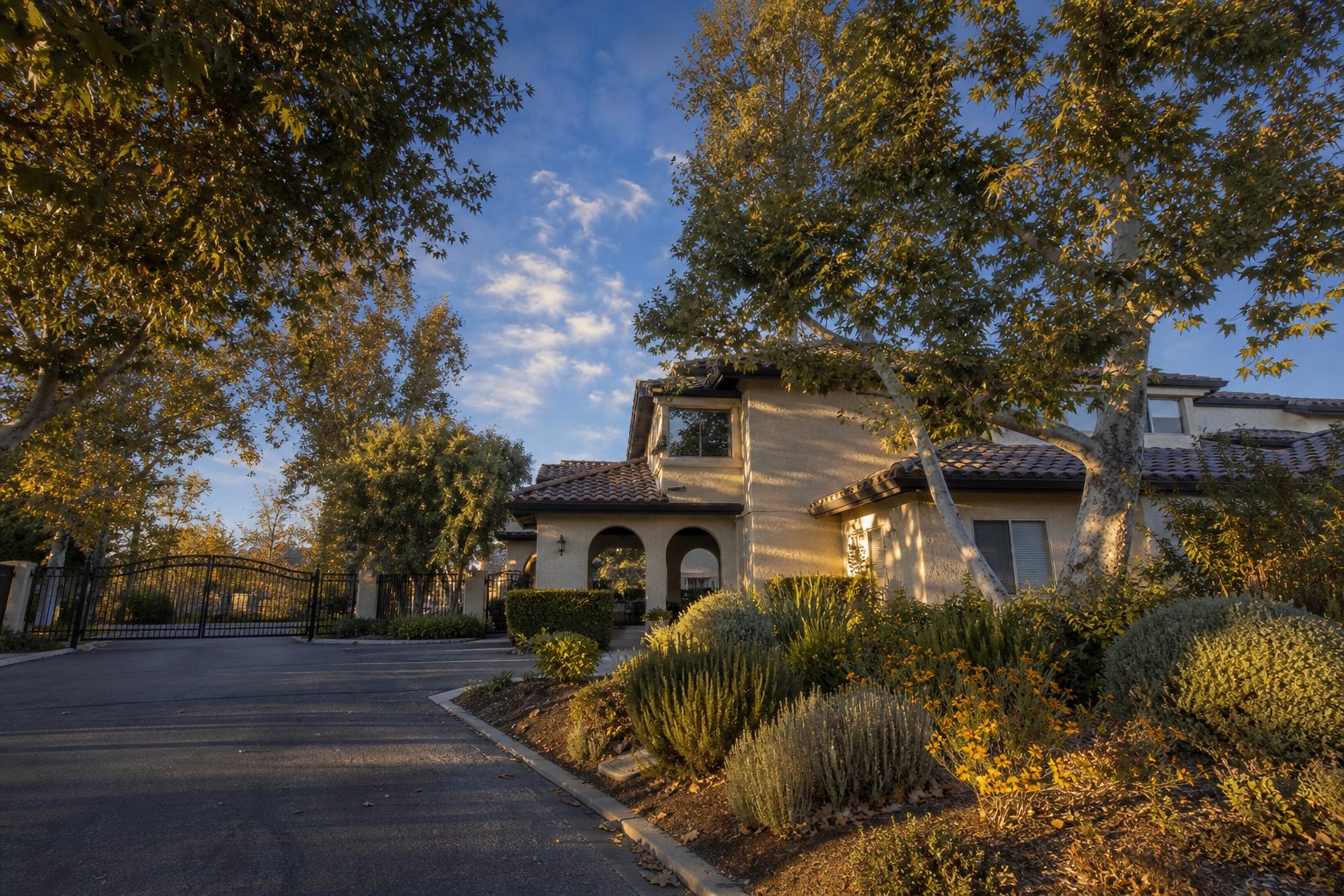
If your HOA fees are climbing, how does that affect your ability to sell your Woodland Hills home, and what can you do about it?
Rising HOA fees directly impact your buyer pool by increasing total monthly costs, which can reduce what buyers qualify for and slow your sale if you don’t address it head-on in your pricing and marketing strategy.
Why HOA Fee Increases in Woodland Hills Matter Right Now
Here’s the reality: HOA fees across California are rising faster than general inflation, and Woodland Hills is not exempt. According to 2024 American Community Survey data from the U.S. Census Bureau, California homeowners pay a median HOA fee of $278 per month, which is 106% above the national median of $135. In Los Angeles County specifically, the median HOA fee hits $370, with 45% of fees at $400 or more per month.
Gated communities in Woodland Hills, including Westchester Estates, The Lakes, and communities along Mulholland Drive, have seen HOA fees creep upward in recent years. Some complexes are carrying underfunded reserves, and boards have passed special assessments or annual fee hikes of 10% to 15% to catch up.
If you’re thinking about selling a condo, townhome, or any HOA-governed property in Woodland Hills, this is the single most important factor you probably aren’t thinking enough about. With 6 years of experience working with sellers across the San Fernando Valley and having closed 40 transactions, I can tell you that HOA financials are one of the first things savvy buyers scrutinize.
What Is Driving HOA Fee Increases Across the West San Fernando Valley
So why are your dues going up? It’s not because your HOA board decided to get greedy. The forces pushing fees higher are largely external, and understanding them helps you explain the situation to potential buyers.
Insurance Is the Biggest Culprit
The California insurance crisis is the number one driver. Insurance carriers are pulling out of California or dramatically raising premiums, especially in wildfire-adjacent areas. Allstate raised condo insurance rates by 30% in April 2025 alone, hitting roughly 78,000 policyholders, according to industry reporting. When your HOA’s master insurance policy doubles, that cost gets passed directly to you and every other homeowner in the community.
For Woodland Hills properties south of Ventura Boulevard and near the hillside areas off Mulholland Drive, wildfire risk means even higher premiums compared to flatland communities closer to De Soto Avenue.
Other Cost Pressures You Should Know About
- Inflation in labor and materials has pushed up the cost of landscaping, pool maintenance, and general repairs
- Deferred maintenance on aging buildings is coming due, and many communities built in the 1980s and 1990s are hitting major capital expense cycles
- New regulatory requirements like SB 326 balcony inspections and mandatory energy benchmarking add compliance costs
- Catch-up reserve contributions are forcing boards to raise dues to meet funding requirements
The typical annual HOA fee increase sits at 3% to 5% for most communities, per industry data. But communities with underfunded reserves or high insurance exposure can see jumps well beyond that range.
How California Law Protects You from Runaway HOA Fees
You do have legal guardrails, and knowing them puts you in a stronger position whether you’re attending board meetings or preparing disclosure documents for a sale.
Under California Civil Code Section 5605, your HOA board can raise regular assessments up to 20% per year without homeowner approval. Anything beyond 20% requires a majority vote of a quorum of members. The board must provide at least 30 days’ written notice before any increase takes effect. Special assessments cannot exceed 5% of the HOA’s budgeted gross expenses without a member vote.
Under the Davis-Stirling Act, your HOA is also required to conduct a reserve study every three years and share detailed annual budgets with homeowners. According to research from the National Association of Realtors, homeowners associations are booming across the United States, making HOA governance and fee structures increasingly important to buyers nationwide.
New Legislation You Should Be Watching
Two bills are especially relevant for Woodland Hills homeowners in 2026:
- Senate Bill 1007, authored by Van Nuys Democrat Caroline Menjivar (whose district includes parts of the San Fernando Valley), would cap annual HOA fee increases at 8% without a member vote. The bill advanced on a 24-13 vote in the Senate, though opposition has argued that capping increases could leave HOAs underfunded and potentially make banks less willing to approve mortgages in those communities.
- Assembly Bill 2050, taking effect in January 2032, would require California HOAs to maintain a positive reserve balance across a 30-year projection. If an association projects a shortfall, it must transfer at least 15% of its gross annual budget into reserves, or levy a special assessment.
What does this mean for you as a seller? AB 2050 in particular could trigger a wave of reserve-building special assessments in communities that have been kicking the can down the road. If you’re planning to sell before 2032, you may want to get ahead of that timeline.
How Rising HOA Fees Affect Your Woodland Hills Home’s Marketability
This is where the rubber meets the road. Every dollar your HOA fee goes up reduces what a buyer can afford in purchase price.
As of August 2026, Woodland Hills condos average around $515,000 with homes spending 63 days on market and achieving a sale-to-list ratio of 98.52%, per CLAW MLS data. The median sold price across all property types in Woodland Hills is $1,201,100 across 526 tracked closings over six months ending August 2026.
When a buyer qualifies for a mortgage, lenders include HOA dues in the debt-to-income calculation. According to the Consumer Financial Protection Bureau, condo and HOA fees are included in monthly mortgage payment calculations, which means a $200 monthly HOA fee increase reduces a buyer’s purchasing power by roughly $30,000 to $40,000, depending on interest rates. That’s not a small number when you’re competing with single-family homes in the Northridge area, where the median single-family sale price sits at approximately $932,000 with no HOA at all, per recent MLS data.
What I tell my clients is this: you can’t hide from HOA fees. Buyers will find them in the disclosure documents. Your job is to get ahead of the conversation, not behind it.
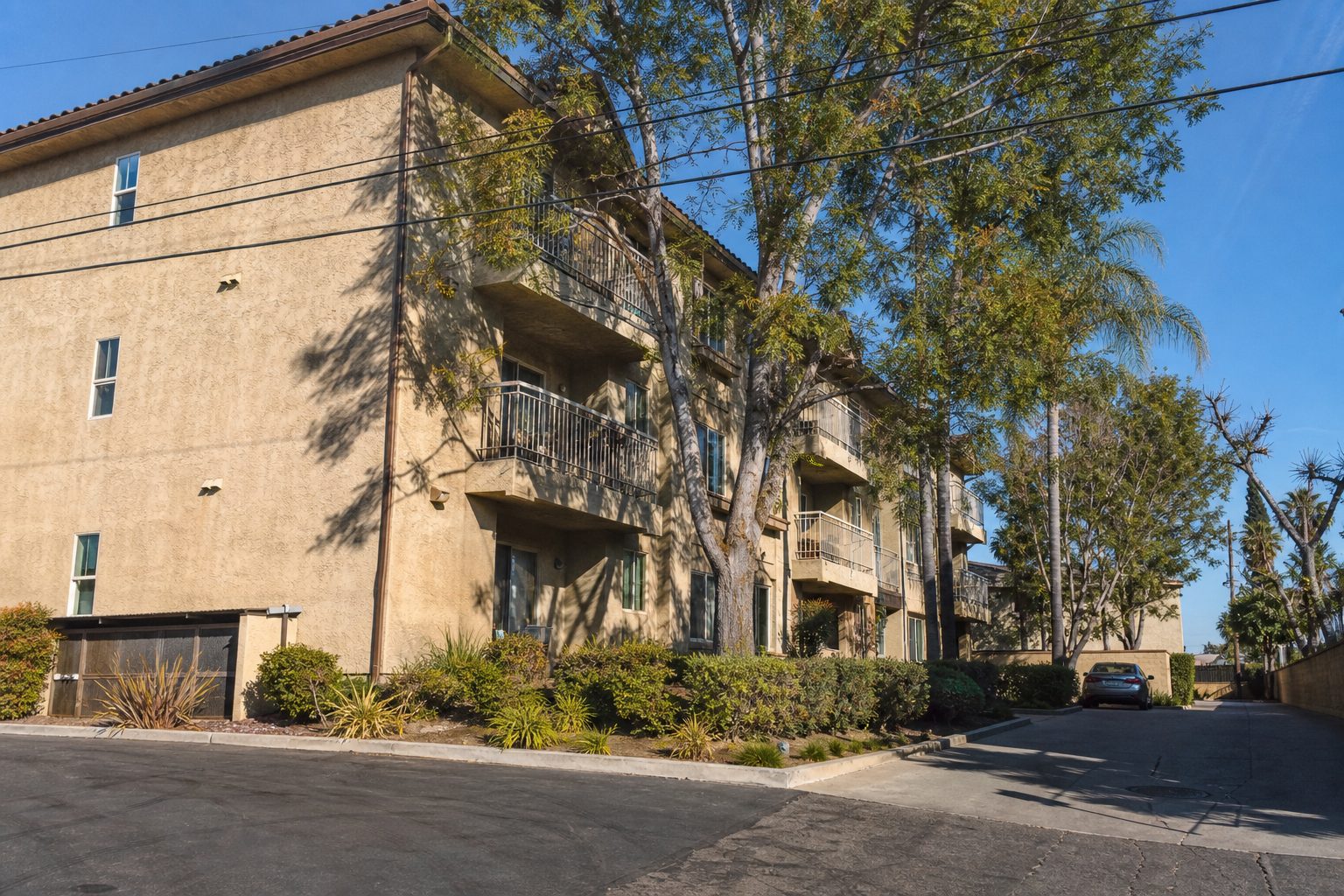
Seller Strategies for Navigating HOA Increases in Woodland Hills
If you’re selling an HOA-governed property in 2026, here’s how to handle rising fees strategically rather than reactively.
Price With Total Monthly Cost in Mind
Don’t just look at comparable sale prices. Calculate the total monthly cost, including HOA, insurance, and taxes, and compare it to what buyers can get in non-HOA neighborhoods nearby. In Woodland Hills, single-family homes on the flatlands north of Ventura Boulevard start around $850,000 with no HOA. If your condo at $515,000 carries a $500 monthly HOA fee, you need to make sure the value proposition is clear.
Get the HOA Financials in Order Before Listing
Pull the reserve study, the current budget, and any recent board meeting minutes that discuss fee increases or special assessments. Rated 5 out of 5 by 31 past clients, I approach every listing with thorough preparation, and that starts with full transparency on HOA health. A well-funded reserve with a clear maintenance plan actually becomes a selling point.
Highlight What the HOA Delivers
Buyers in Woodland Hills gated communities expect amenities. If your HOA maintains pools, fitness centers, security, landscaping, and common areas near Topanga Canyon Boulevard or within the Westfield Topanga corridor, quantify that value. A well-run HOA with rising fees is a completely different proposition than a poorly run one with rising fees.
Disclose Everything, Proactively
California law requires you to disclose current dues, recent increases, reserve fund health, and any pending special assessments. What I always recommend is going beyond the minimum. Provide context. If your fees went up 12% because the master insurance policy doubled, include that explanation. Buyers respect transparency, and it prevents deals from falling apart during escrow.
Frequently Asked Questions About HOA Fee Increases for Woodland Hills Sellers
How much can my HOA raise fees without a homeowner vote in California?
Under California Civil Code Section 5605, your HOA board can increase regular assessments up to 20% per year without homeowner approval. Anything above that threshold requires a majority vote of a quorum of members. The board must also give at least 30 days’ written notice before the increase goes into effect.
What is the median HOA fee in Los Angeles County as of 2026?
According to U.S. Census Bureau data from the 2024 American Community Survey, the median HOA fee in Los Angeles County is $370 per month, with 45% of fees at $400 or more per month. California’s statewide median is $278, which is 106% above the national median of $135.
Why are HOA fees rising so fast in Woodland Hills specifically?
The primary driver is the California insurance crisis. Insurance carriers are raising premiums or leaving the state entirely, especially in wildfire-adjacent areas. Communities near the hillside areas south of Ventura Boulevard and along Mulholland Drive face higher premiums. Additional factors include inflation in labor and materials, deferred maintenance, and new regulatory requirements like SB 326 balcony inspections.
Will Senate Bill 1007 cap my HOA fee increases?
SB 1007 would cap annual HOA fee increases at 8% without a member vote. The bill was authored by Van Nuys Democrat Caroline Menjivar and advanced on a 24-13 Senate vote. If enacted, homeowners could still approve increases above 8% through a popular vote. As of October 2026, the bill has not yet been signed into law.
How does Assembly Bill 2050 affect HOA sellers?
AB 2050, taking effect January 2032, would require California HOAs to maintain positive reserves across a 30-year projection. If a shortfall is projected, the HOA must transfer at least 15% of its gross annual budget into reserves, or levy a special assessment. This could trigger fee increases in communities with underfunded reserves before the deadline.
Do HOA fee increases reduce my home’s sale price?
Yes. Lenders include HOA fees in the buyer’s debt-to-income ratio, so higher fees reduce purchasing power. Every additional $200 per month in HOA dues can reduce what a buyer qualifies for by roughly $30,000 to $40,000. Pricing your property with total monthly cost in mind is essential.
How long are Woodland Hills condos taking to sell in 2026?
As of August 2026, homes in Woodland Hills averaged 63 days on market with a sale-to-list ratio of 98.52%, per CLAW MLS data. Correctly priced properties in well-managed HOA communities tend to move faster than the average.
Should I sell before HOA special assessments are announced?
Timing matters, but you cannot legally hide known or anticipated special assessments from buyers. California disclosure law requires full transparency. What you can control is how you frame the conversation and whether you price the property to reflect the assessment’s impact. Getting ahead of it is always better than being caught mid-escrow.
What percentage of California homeowners live in HOA communities?
According to research data, approximately 65% of California homeowners live in HOA-governed communities, and more than one-third of all California residents overall. This means HOA fee trends affect a significant share of the state’s housing market.
How do I find out if my Woodland Hills HOA reserves are adequately funded?
Under the Davis-Stirling Act, your HOA is required to conduct a reserve study every three years and share detailed annual budgets with homeowners. Request the most recent reserve study and review the percent-funded metric. A well-funded reserve is generally considered to be at 70% or above.
The Bottom Line on Selling a Woodland Hills Home With Rising HOA Fees
Rising HOA fees are not going away in 2026. Insurance costs, regulatory requirements, and deferred maintenance are structural forces that will continue pushing dues higher across Woodland Hills, Northridge, Porter Ranch, and the rest of the west San Fernando Valley. But rising fees do not make your property unsellable. They make preparation, pricing strategy, and transparent disclosure more important than ever.
As a GRI-certified REALTOR® and U.S. Army veteran ranked number 8 among 150-plus agents at Park Regency in 2025, I approach every listing with the discipline and attention to detail that a complex sale demands. If you’re considering selling your Woodland Hills condo, townhome, or HOA-governed property and want to understand exactly how current fees and reserve health will affect your bottom line, reach out to me directly at 818-960-3501 or through seannhomes.com. Let’s look at the numbers together and build a strategy that gets your property sold at the right price.

Leave a Reply