
If your Woodland Hills home sits south of Ventura Boulevard, is it in a fire hazard zone, and what does that mean when it’s time to sell?
Most properties south of Ventura Boulevard in Woodland Hills fall within or adjacent to a designated fire hazard severity zone. That designation triggers mandatory disclosures, creates insurance complications for buyers, and requires a specific selling strategy to protect your equity.
Why Fire Hazard Zones Matter for Woodland Hills Sellers Right Now
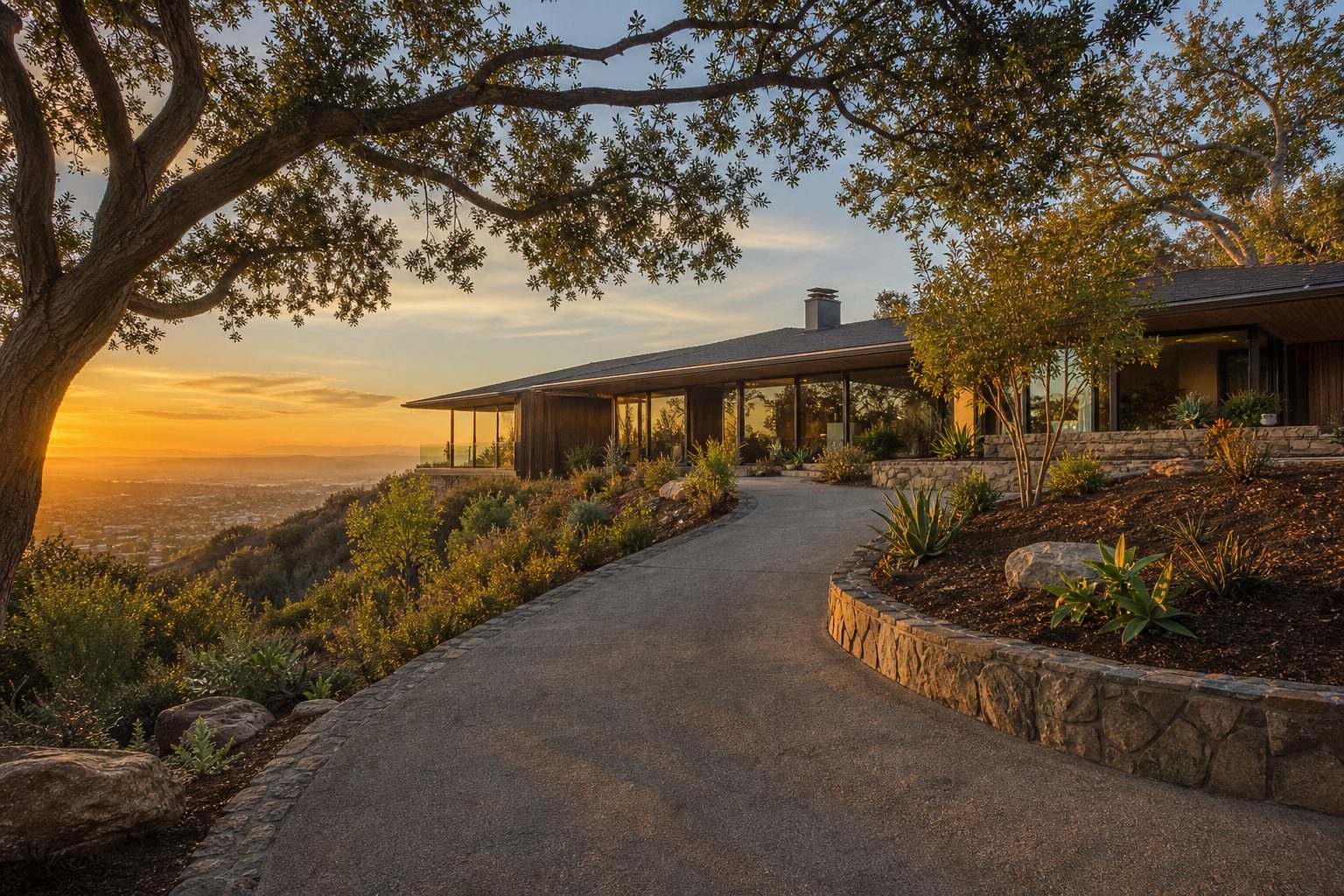
If you own a home on the hillside streets south of Ventura Boulevard, along Kingsboro Way, Shoup Avenue, or the winding lanes off Valley Circle Boulevard, fire hazard zone status is no longer a background detail. It is front and center in every transaction.
CAL FIRE’s 2025 maps for LA County added more than 440,000 acres to new or expanded hazard zones, according to the LA Times. That remapping directly affected portions of Woodland Hills south of the Boulevard, where the terrain climbs into the Santa Monica Mountains toward Mulholland Drive. With 6 years of experience selling homes across the West San Fernando Valley, I can tell you this: the sellers who address fire zone status head-on are the ones closing on schedule. The ones who ignore it watch deals fall apart during escrow.
The Woodland Hills market in 2026 is already nuanced. As of August 2026, the median sold price sits at $1,201,100 across 526 tracked closings, per Resideline data. But in June 2026, 54.1% of sales closed below list price while only 35.6% closed above it. That means more than half of sellers are already giving ground on price. If your home carries fire zone baggage that you haven’t addressed, you’re stacking disadvantages.
How to Check If Your Woodland Hills Property Is in a Fire Hazard Zone
Before you do anything else, you need to confirm your property’s official status. Here is exactly how to do it:
- CAL FIRE’s Fire Hazard Severity Zone (FHSZ) Map shows state-designated zones. Run your address through the CAL FIRE FHSZ viewer to see if your parcel is classified as Moderate, High, or Very High Fire Hazard Severity.
- The LA County Fire Hazard Severity Zone lookup provides county-level detail. Since Woodland Hills falls within the City of Los Angeles, you can also check the City of Los Angeles ZIMAS system for parcel-specific zoning overlays.
Zone status is a required disclosure under California law. Specifically, California Civil Code §1103 and Government Code §51183 mandate that sellers disclose whether a property sits in a State Responsibility Area or Very High Fire Hazard Severity Zone through Natural Hazard Disclosure (NHD) reports. You cannot skip this, and you should not want to. Surprises at the disclosure stage kill deals.
What I tell my clients is simple: check your parcel now, not after you’ve already listed. Knowing your exact zone classification shapes your pricing, your preparation strategy, and your marketing language from day one.
The Insurance Problem Facing Woodland Hills Hillside Sellers in 2026
Here is the part that catches most sellers off guard. Your buyer’s ability to close depends on their ability to get homeowners insurance. In fire hazard zones, that has become significantly harder.
The California FAIR Plan, which serves as the insurer of last resort for properties that cannot obtain coverage in the voluntary market, covered roughly 5% of California single-family homes by March 2026, according to Stanford research. That is up from just 1.5% in 2020. Many hillside Woodland Hills properties now rely on a FAIR Plan policy plus a separate Difference in Conditions (DIC) policy to meet lender requirements.
What does this mean for you as a seller?
- Elevated premiums create buyer hesitation. Insurance in Very High Fire Hazard Severity Zone areas can run significantly higher than coverage in non-fire zones. Buyers factor that into their total cost of ownership calculation, which translates into lower offers or longer negotiation cycles.
- Lender requirements can delay closing. Most lenders require proof of active homeowners insurance before funding a loan. If your buyer has to piece together FAIR Plan plus DIC coverage, that process adds time and uncertainty to the transaction.
- Proactive sellers remove the objection. Get an insurance quote for your property before you list. When you can hand a prospective buyer a real number instead of a question mark, you eliminate one of the biggest friction points in the entire deal.
Having closed 40 transactions across the San Fernando Valley, I have seen firsthand how insurance uncertainty slows deals down. The sellers who come to the table with documentation move faster. Period.
Fire Hardening and Defensible Space: Your Selling Advantage in Woodland Hills
California’s AB 38 requires sellers of properties in fire hazard zones to provide documentation of defensible space compliance. But beyond legal requirements, fire hardening is one of the smartest pre-listing investments you can make in Woodland Hills south of the Boulevard.
What Defensible Space Looks Like
Under PRC §4291, you need to maintain 100 feet of defensible space around your structure. The City of LA Brush Clearance Program requires annual compliance. If you have been keeping up with brush clearance, document it. If you have not, get it done before your first showing.
Fire Hardening Upgrades That Pay for Themselves
Key improvements include:
- Class A fire-rated roofing (if your roof is older, this alone changes your risk profile)
- Ember-resistant vents to prevent interior ignition during wind-driven fires
- Tempered glass windows that resist radiant heat
- Enclosed eaves and non-combustible decking
What I recommend to every hillside seller I work with: keep detailed records of these upgrades. A completed home hardening checklist and a defensible space inspection report give buyers confidence and may help reduce their insurance costs. A fire-hardening investment that reduces a buyer’s annual insurance cost effectively sells itself when you present it during disclosure.
How Fire Zone Status Affects Woodland Hills Home Values in 2026
You are probably wondering: does fire zone designation actually lower my home’s value? The answer is nuanced.
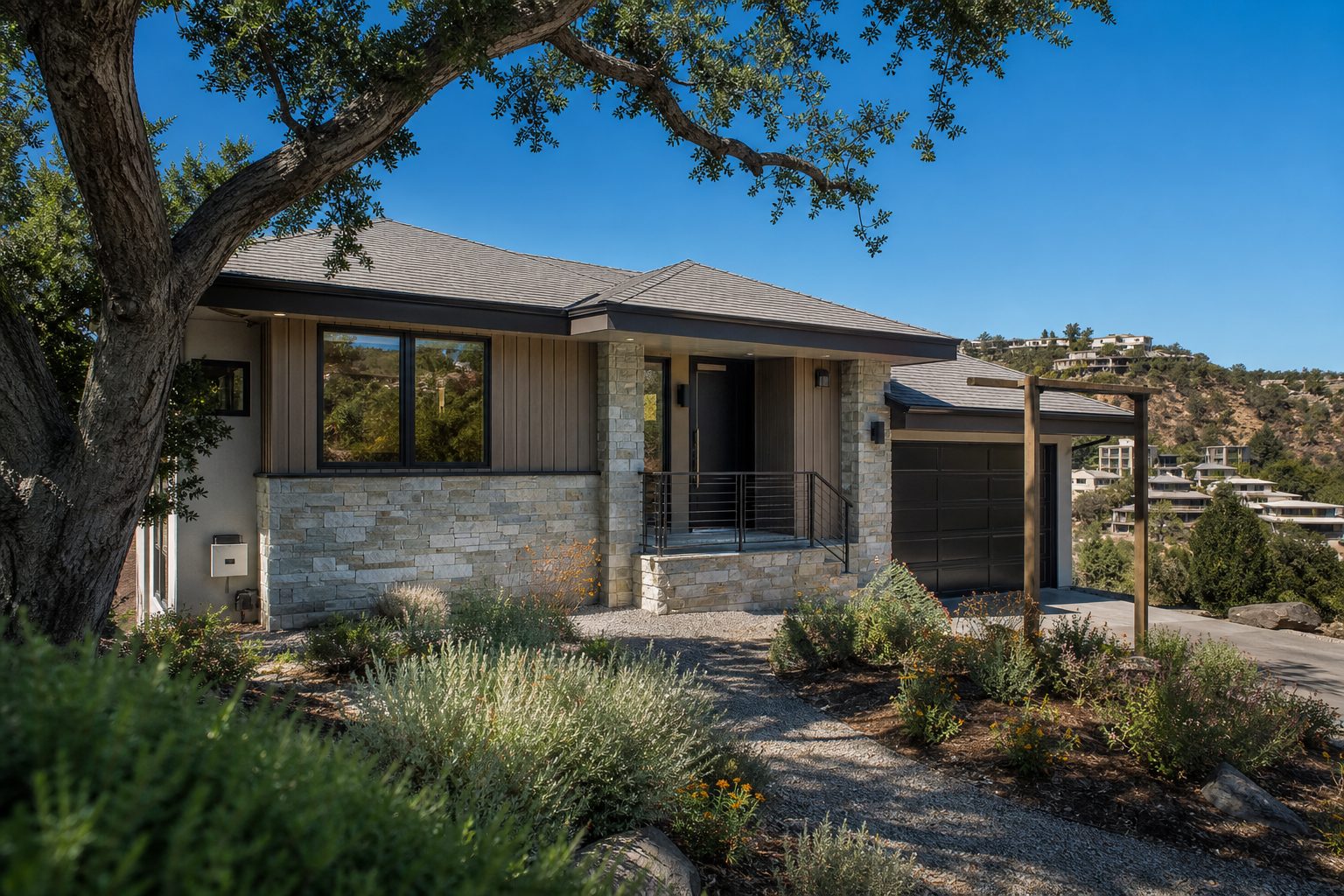
Woodland Hills south of the Boulevard commands a significant premium over the flatter north-of-Ventura side. That premium reflects views, privacy, larger lots, and the canyon-adjacent lifestyle near Mulholland Drive. Fire zone designation partially offsets that premium through higher carrying costs, but it does not erase it.
According to market data, the overall Woodland Hills median in ZIP 91367 was $1,203,728 for the three months ending June 2026, at $542 per square foot, down 2.9% year over year per MLS/CLAW data. The broader market expects stronger performance in walkable, supply-constrained areas, with more price sensitivity in what the data describes as “insurance-heavy zones.”
So where does that leave you? In a market where the median days on market in Woodland Hills is 32 days (as of August 2026, per Resideline), well-prepared homes still move. But “well-prepared” in a fire zone means something different than it does on the Valley floor. It means you have your insurance documentation, your brush clearance records, your hardening upgrades, and your disclosures all ready before day one on the MLS.
Disclosure Strategy for Woodland Hills Fire Zone Sellers
Early disclosure is not just a legal obligation. It is a strategic advantage. Here is how to handle it:
- Include NHD fire zone status prominently in your seller disclosures. Do not bury it. Buyers and their agents will find it regardless, and if it feels hidden, trust erodes instantly.
- Attach your insurance quote. Show buyers exactly what coverage costs. Uncertainty creates fear; real numbers create clarity.
- Provide your fire hardening documentation. Roof records, vent upgrades, brush clearance receipts, and any inspection reports should be in your disclosure packet.
- Price accordingly. In June 2026, Woodland Hills showed a sale-to-list ratio of 98.7%, per Q2 2026 MLS data. Pricing within that band, not aspirationally above it, is especially important when your property carries fire zone designation.
With 55 five-star client reviews and a 5.0-star Google rating, I have built my business around proactive preparation and upfront communication. As one past client put it: “Seann was a pleasure to work with. He is very professional, proactive, and knowledgeable. He is timely with communication. He got an offer for us on our first weekend at the open house he proposed to host.”
That kind of result comes from doing the work before the sign goes in the yard, not after.
Frequently Asked Questions
How do I find out if my Woodland Hills home is in a fire hazard zone?
Run your address through the CAL FIRE Fire Hazard Severity Zone viewer or the LA County Fire Hazard Severity Zone lookup. Since Woodland Hills is within the City of Los Angeles, the ZIMAS system also provides parcel-level zoning overlays. Zone status is a required disclosure under California Civil Code §1103 and Government Code §51183.
Does fire zone status lower my home’s value in Woodland Hills?
Fire zone designation creates higher carrying costs through elevated insurance premiums, which can reduce buyer offers. However, the hillside premium south of Ventura Boulevard for views, privacy, and larger lots still holds value. Strategic preparation and pricing minimize the impact.
What is the California FAIR Plan and will my buyer need it?
The FAIR Plan is the state’s insurer of last resort for properties that cannot get standard coverage. According to Stanford research, the FAIR Plan covered roughly 5% of California single-family homes by March 2026, up from 1.5% in 2020. Many Woodland Hills hillside buyers now rely on FAIR Plan plus DIC policies.
What disclosures are required when selling a home in a fire hazard zone?
California law requires sellers to disclose fire hazard zone status through NHD reports. Under AB 38, you must also provide documentation of defensible space compliance. Proactive sellers go further by including insurance quotes and fire hardening records.
What is defensible space and how much do I need?
Under PRC §4291, you must maintain 100 feet of defensible space around your home. The City of LA Brush Clearance Program enforces annual compliance. This means clearing dead vegetation, trimming tree branches away from structures, and maintaining fire-resistant landscaping.
What fire hardening upgrades help sell a Woodland Hills home?
Class A fire-rated roofing, ember-resistant vents, tempered glass windows, enclosed eaves, and non-combustible decking are the most impactful upgrades. Document every improvement with receipts and inspection reports for your disclosure packet.
How long are Woodland Hills homes taking to sell in 2026?
The median listed-to-under-contract time in Woodland Hills was 32 days across 312 closings tracked in the last six months, as of August 2026 per Resideline data. Well-priced, well-prepared homes can move faster, while overpriced listings drag the average up.
Will fire zone status make it harder for my buyer to get a mortgage?
Potentially, yes. Most lenders require proof of active homeowners insurance before closing. If standard carriers have non-renewed coverage in fire-prone areas, buyers must secure FAIR Plan plus DIC coverage, which adds time and cost to the closing process.
Should I get an insurance quote before listing my Woodland Hills home?
Absolutely. Having a current insurance quote ready removes one of the biggest buyer objections in fire hazard zones. It transforms an unknown cost into a known number, which builds confidence and keeps negotiations on track.
How does Measure ULA affect high-end Woodland Hills fire zone sales?
Woodland Hills is inside the City of Los Angeles, so Measure ULA applies. For closings after June 30, 2026, ULA adds 4% of the entire sale price above $5.4 million and 5.5% above $10.9 million. This is relevant for estate-level properties south of the Boulevard.
The Bottom Line
Selling a Woodland Hills home south of the Boulevard in a fire hazard zone is absolutely doable in 2026, but it demands preparation that goes well beyond what sellers on the Valley floor need to worry about. Check your parcel’s zone status, get an insurance quote before listing, document your brush clearance and fire hardening upgrades, and disclose everything early. Price realistically based on closed comps, not aspirational listings.
I’m Seann Brown with Park Regency Realty, a GRI-certified REALTOR® and U.S. Army veteran with 6 years of experience helping sellers across the West San Fernando Valley communities navigate exactly these situations. If you want a straight answer about what your Woodland Hills home is worth and how to position it in today’s market, call me at 818-960-3501 or visit seannhomes.com. Let’s build a strategy that gets your home sold on your terms.

Leave a Reply