


How should Woodland Hills home sellers prepare for the 2026-27 El Niño, and what does it mean for your sale?
The approaching El Niño is forecast to be one of the strongest on record, and if you’re selling in Woodland Hills, you need a game plan before December storms arrive. Your preparation now determines whether your home sells smoothly or sits through a soggy winter.
Why This Matters for Woodland Hills Sellers Right Now
NOAA declared El Niño in June 2026, and by September, forecasters gave it a greater than 90% chance of becoming very strong this fall and winter. There’s roughly a 75% chance the October through December period reaches historically exceptional strength. For Woodland Hills, that matters enormously.
Your community sits between the Santa Monica Mountains to the south and the 101 Freeway corridor to the north. That geography means hillside homes face direct exposure to debris flows and drainage issues during heavy rain, while flatland properties near Ventura Boulevard deal with different water management challenges. About 84% of Woodland Hills properties carry some level of wildfire risk over 30 years, and when you combine burn scars from prior fires with potentially record-breaking rainfall, the risk profile changes fast.
What I tell my clients is straightforward: the window between now and late November is your best chance to get ahead of this. Waiting until January, when storms are pounding the Valley, puts you at a serious disadvantage.
What NOAA Is Actually Forecasting for Woodland Hills and the San Fernando Valley
So what are we really looking at? Let me cut through the noise.
Forecasters predict a 63% chance of sea surface temperatures exceeding 2.0°C in the monitored Pacific region, which would push this into “very strong” territory. According to NBC Los Angeles meteorologist David Biggar, “This El Niño could be one of the strongest in the historical records going back to 1950.”
For Southern California specifically, wetter conditions could begin as early as November and December 2026, with the heaviest impacts expected from December through March 2027. Los Angeles sits in the sweet spot where strong El Niño events historically shift the Pacific storm track southward, allowing larger winter storms and heavier rainfall to reach us more directly.
Now here’s the caveat every seller should understand: no two El Niños are identical. The very strong 2015-2016 event turned out to be one of the driest years ever for Los Angeles. But the current atmospheric setup has scientists increasingly confident this one will deliver significant precipitation. You cannot afford to gamble your home sale on the hope that it won’t rain.
If you’re sitting on a hillside property south of Mulholland Drive, where estates range from $1.6 million to $3.5 million and above, your stakes are even higher. Addressing an inspection concern such as a retaining wall before you list can keep a buyer from asking for concessions later.
How El Niño Changes Buyer Behavior in Woodland Hills
Here’s something most sellers don’t think about: El Niño doesn’t just affect your property. It affects your buyer’s mindset.
Woodland Hills buyers spending $1.2 million to $2.5 million are not looking for projects. They want move-in-ready homes that justify the Valley lifestyle trade, more space, better schools, outdoor living, rather than a Westside compromise at a similar price point. Now layer on storm-season anxiety, and those buyers become even more cautious.
What does that look like in practice? Expect buyers to request 1 to 2% in concessions toward closing costs or rate buydowns on properties with fire zone, insurance, or weather-related condition concerns. On a $1.2 million home (right at the Woodland Hills median sold price of $1,201,100), that’s $12,000 to $24,000 you could leave on the table.
With 55 five-star reviews and 40 closed transactions across the San Fernando Valley, I’ve seen how weather events shift negotiation dynamics firsthand. If you know about a drainage issue, bring in a contractor, fix it and document the work before you list, rather than waiting for a buyer’s inspector to flag it during a rainy showing.
Your Pre-Storm Preparation Checklist for a Woodland Hills Home Sale
You have a narrow window. Here’s what to prioritize between now and November.
Roof and Drainage
- Get a roof inspection and repair any cracked tiles, worn flashing, or compromised valleys
- Clean gutters and downspouts; ensure water directs away from the foundation
- Check French drains and yard grading, especially on properties north of Ventura Boulevard where older ranch homes from the 1970s may have settling issues
Hillside-Specific Concerns
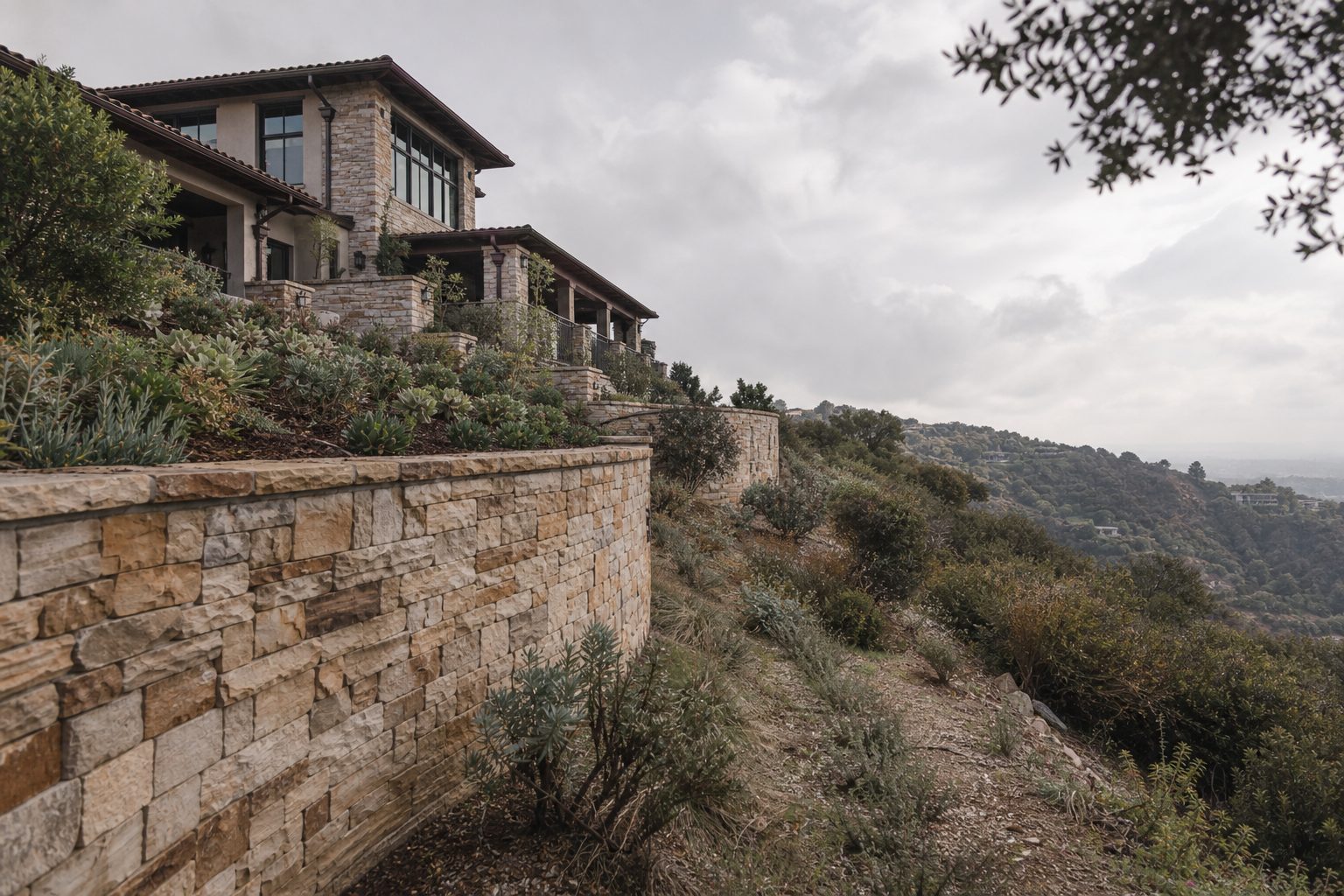
- If your property is south of Mulholland Drive or anywhere in the hillside estates, a geological or soils report typically costs $1,500 to $3,500 and can identify retaining wall or slope problems before a buyer’s inspector does
- Clear hillside brush and verify retaining walls are structurally sound
- Document any previous drainage improvements you’ve made; buyers and their agents will ask
Insurance Documentation
- Gather current insurance policies and confirm active coverage
- If you’ve had difficulty obtaining fire insurance (common in the 91364 ZIP), have documentation ready showing your current solution
- A home warranty ($400 to $700 cost to you) can offset buyer anxiety about weather-related concerns far more effectively than a price reduction
Disclosure Readiness
California requires you to complete both a Transfer Disclosure Statement and a Natural Hazard Disclosure. Properties in flood zones, fire hazard severity zones, or areas with known drainage issues require explicit disclosure. Any El Niño-related damage that occurs before or during your listing period must be disclosed. Getting ahead of this protects you legally and builds buyer confidence.
Timing Your Woodland Hills Sale Around the Storm Season
February through July is typically the strongest selling window in Woodland Hills, when demand runs high and homes spend fewer days on market. The 2026-27 El Niño’s peak rainfall period, December through March, overlaps with the traditional slower season. So what do you do?
Option 1: List now, before Thanksgiving. You catch the tail end of fall demand, beat the heaviest storms, and give buyers time to close before holiday disruptions. The current median days to contract in Woodland Hills is 32 days across 312 recent closings. That means a well-priced October listing could be under contract by mid-November.
Option 2: Wait until spring. If your home needs significant prep work, a March or April 2027 listing lets you address everything over winter and hit the market when buyer activity surges. But you’ll be competing against other sellers who had the same idea.
Option 3: Price strategically for a winter listing. Right now, 54.1% of June sales in Woodland Hills closed below asking, and 29.2% of listings took a price drop. In my 6 years serving sellers across the San Fernando Valley, a price drop costs you twice: once in dollars and once in buyer attention. If you list during storm season, price it right from day one. There’s no room for aspirational pricing when buyers already feel cautious.
The current market is balanced. The median list price sits at $1,695,000 while the median sold price is $1,201,100. That gap tells you something important: sellers who price based on what they want rather than what comparables support are the ones sitting on market.
How North vs. South of Ventura Boulevard Changes Your El Niño Strategy
This is where Woodland Hills gets interesting, and where having a local agent matters.
North and south of Ventura Boulevard behave as separate markets. A flat ranch near De Soto Avenue trades at a completely different price per square foot than a hillside view home above Mulholland Drive. Warner Center condos are a third market entirely.
For El Niño preparation, the distinction is critical:
- Flatland properties (91367): Your primary concerns are yard drainage, aging roof systems on 1970s ranch homes, and ensuring the property shows well even in overcast or rainy conditions. Median sale prices in this ZIP have been $1,203,728, with homes closing at 98.7% of list price and averaging 47 days on market.
- Hillside estates (91364): You’re dealing with slope stability, retaining walls, canyon-adjacent fire zone disclosures, and the possibility that a severe storm between showings could literally change the landscape around your property. Properties in this tier averaged $2,185,000 in recent comparable sales, with days on market running about 26 days for homes between $1.8 million and $2.5 million.
A property sitting in the El Camino Real Charter High School attendance zone (rated A on Niche, 8 out of 10 on GreatSchools) sells 6 to 9% faster and commands $60,000 to $150,000 premiums. Storm season or not, those fundamentals hold. Smart sellers emphasize school zone advantages in their marketing to counterbalance any weather-related hesitation.
Frequently Asked Questions
Will El Niño lower Woodland Hills home values?
Not directly. Home values in Woodland Hills have remained relatively stable, with the typical home worth about $1.2 million as of mid-2026, down only about 1% year over year. El Niño may slow buyer activity temporarily during peak storm months, but it does not fundamentally change property values. Properties with unaddressed drainage or slope issues could see steeper negotiation concessions, however.
When will the heaviest El Niño rains hit Woodland Hills?
NOAA forecasts suggest Southern California could see wetter conditions beginning in November and December 2026, with the most significant impacts from December 2026 through March 2027. The strongest storms typically arrive when atmospheric rivers combine with El Niño-driven moisture patterns.
Should I wait until after El Niño to sell my Woodland Hills home?
If your home is prepared and priced correctly, listing before Thanksgiving 2026 gives you the best chance to close before peak storm season. Waiting until spring works if you need time for repairs, but you’ll face more competition from other sellers who delayed.
Do I need a geological report for my hillside Woodland Hills property?
If your home sits south of Ventura Boulevard or on any slope, a geological or soils report ($1,500 to $3,500) is strongly recommended. It identifies retaining wall and slope issues proactively, which prevents surprises during buyer inspections and strengthens your negotiating position.
How does El Niño affect homeowners insurance in Woodland Hills?
Fire zone insurance challenges are already common in Woodland Hills, where approximately 84% of properties carry some wildfire risk over 30 years. El Niño adds flood and mudslide risk to the conversation. Having current insurance documentation ready for buyer review reduces friction during escrow.
What repairs should I prioritize before the storms?
Focus on roof integrity, gutter and downspout clearing, yard grading and drainage, and retaining wall inspections. These are the items buyers and inspectors will scrutinize most heavily during a rainy-season transaction.
Will my pool be a problem during El Niño showings?
Pools are actually a strong selling feature in Woodland Hills, where summer temperatures reach 95 to 105 degrees. Keep the pool maintained and clean through storm season. A well-maintained pool signals that you care for the entire property, even in challenging weather.
Can I still get top dollar selling during storm season in Woodland Hills?
Yes, but pricing discipline is essential. Currently, 54.1% of sales close below asking in Woodland Hills. During storm season, buyer caution increases, so your list price needs to reflect current comparables rather than peak-market aspirations. A correctly priced home in good condition can absolutely sell at full value.
How many days does it take to sell a home in Woodland Hills right now?
The median time from listing to contract is 32 days across recent closings. Homes in the $1.8 million to $2.5 million hillside tier average about 26 days. Storm season may extend these timelines by one to two weeks if showings are disrupted by severe weather.
Is the 2026-27 El Niño guaranteed to bring rain to Woodland Hills?
No. The very strong 2015-2016 El Niño was actually one of the driest years on record for Los Angeles. However, current forecasts show greater confidence in a wet outcome this time, with NOAA giving it a greater than 90% chance of becoming very strong. Preparing for rain while hoping for dry conditions is the smartest approach.
The Bottom Line
If you’re considering selling your Woodland Hills home, the approaching El Niño creates urgency, not panic. The sellers who come out ahead will be the ones who prepare their properties now, price based on current data, and work with an agent who understands the distinct micro-markets north and south of Ventura Boulevard.
With 6 years helping sellers across the San Fernando Valley, 40 closed transactions, and 55 five-star reviews from past clients, I approach every listing with the same discipline and preparation that guided me through my years as a U.S. Army Sergeant. If you want a proactive, strategy-driven plan for selling your Woodland Hills home before or during this El Niño season, reach out to me, Seann Brown at Park Regency, at 818-960-3501 or visit seannhomes.com. Let’s build a plan that protects your equity, no matter what the weather does.

Leave a Reply